Overview
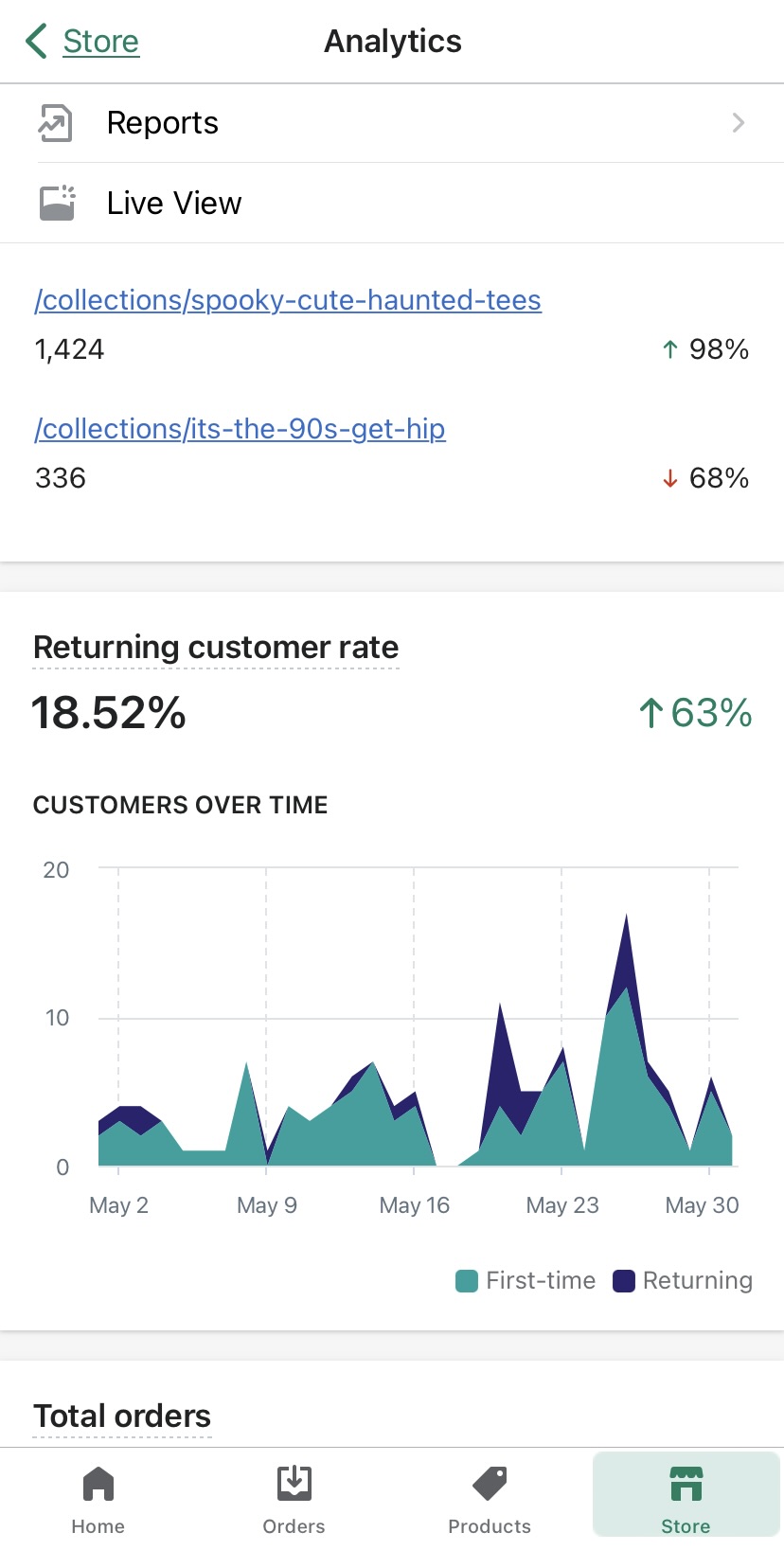
Drag and drop website builders like Shopify are readily available to anyone with $30 and a dream, but to drive and convert traffic, content assets like advertisements, product photos, hero banners, fonts, and theme colors must be cohesive with brand identity. Understanding this has enabled me to convert a modest following of 12k followers into up to $3000 in monthly revenue with a returning customer rate of 18.5%.
Interface
My femme punk lifestyle brand, Haunted Fembot, dawns multiple income streams including DTC & Wholesale merchandise, gated content, handmade items, meet & greets, and ad revenue. In order to convert my followers into customers, it is important that I use language, humor, and visual assets that appeal to their sensibilities.
Through personal conversations with my customers and data collected via social media, I know that 76% of my customers are millennials and 11 % are gen Z. They are predominantly LGBTQ, female-identifying people, interested in books, horror, animation, sustainability, & off-beat humor. They typically hold careers in entertainment, law, communications, & beauty/ personal care (manicurists, tattoo artists, make-up artists, hairdressers).
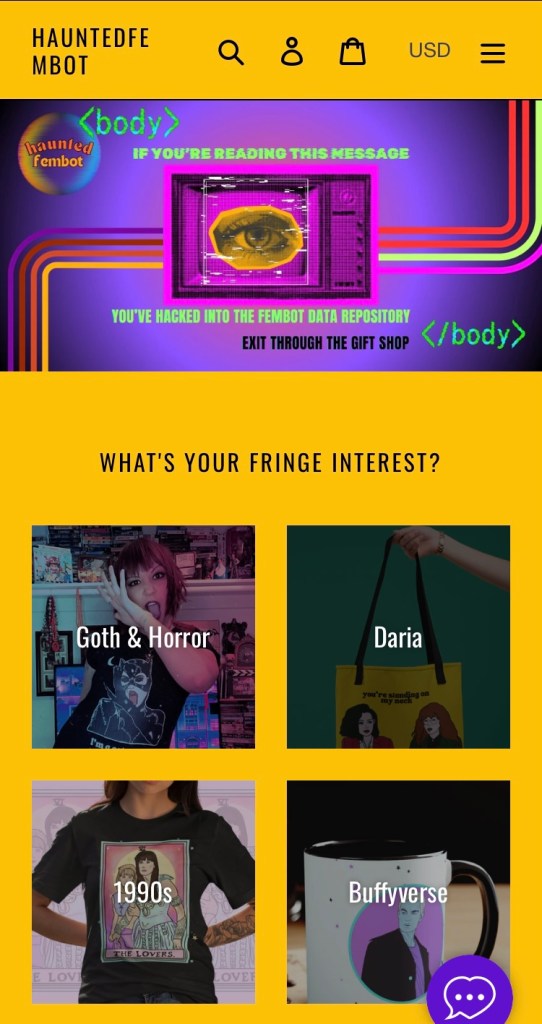
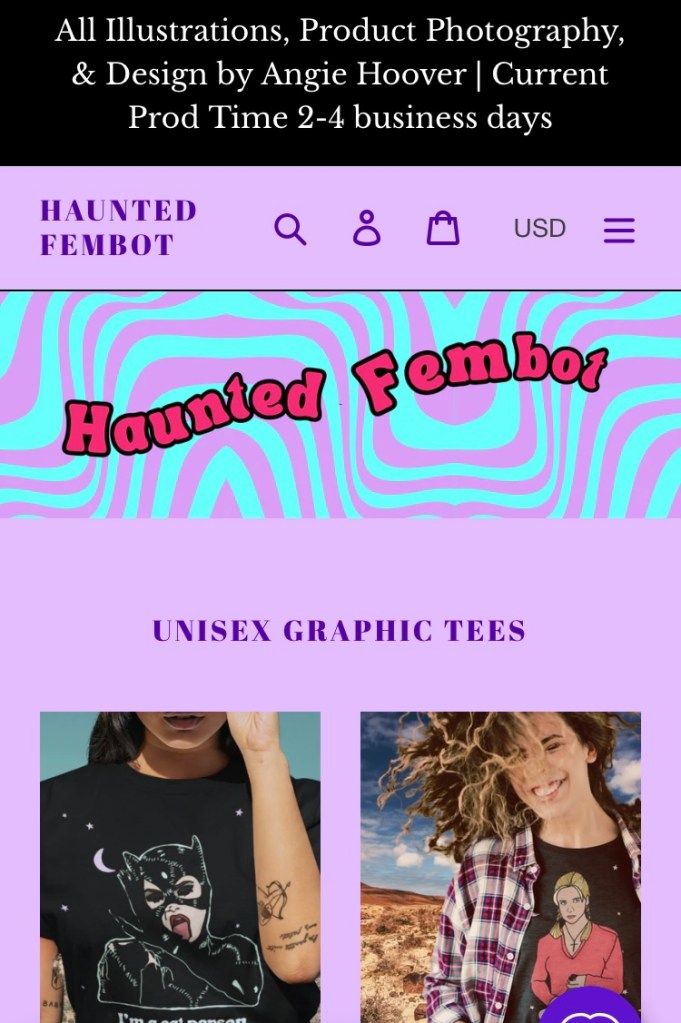
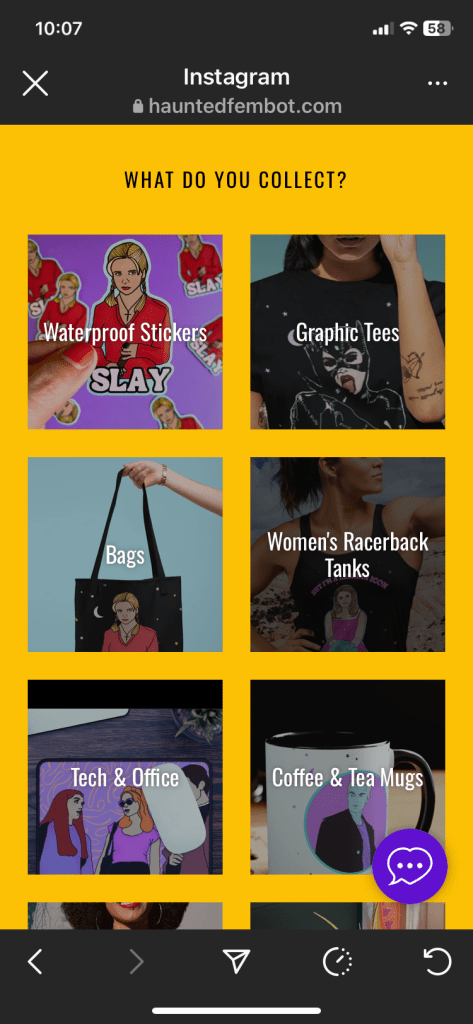
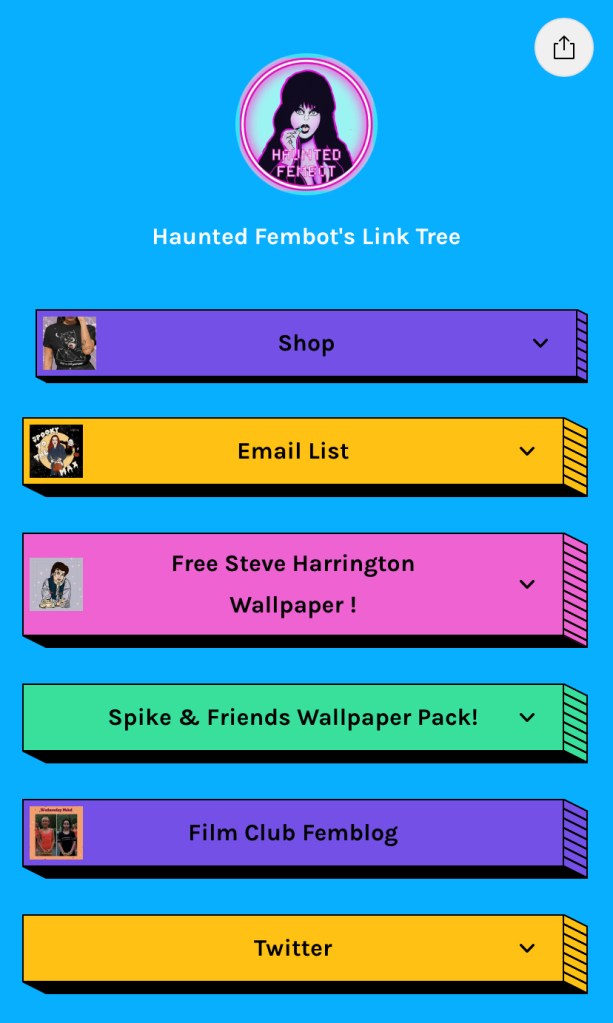
Fembot’s website, blog, ads, and social profiles take all of this into account, employing bright color palettes reminiscent of 1980s/90s media and toy packaging, retro fonts that remind customers of old television show title cards & book covers, and clear but playful, sometimes satirical language that is tonally familiar to shows like Daria or Buffy The Vampire Slayer.

Product Photography
Mock-ups
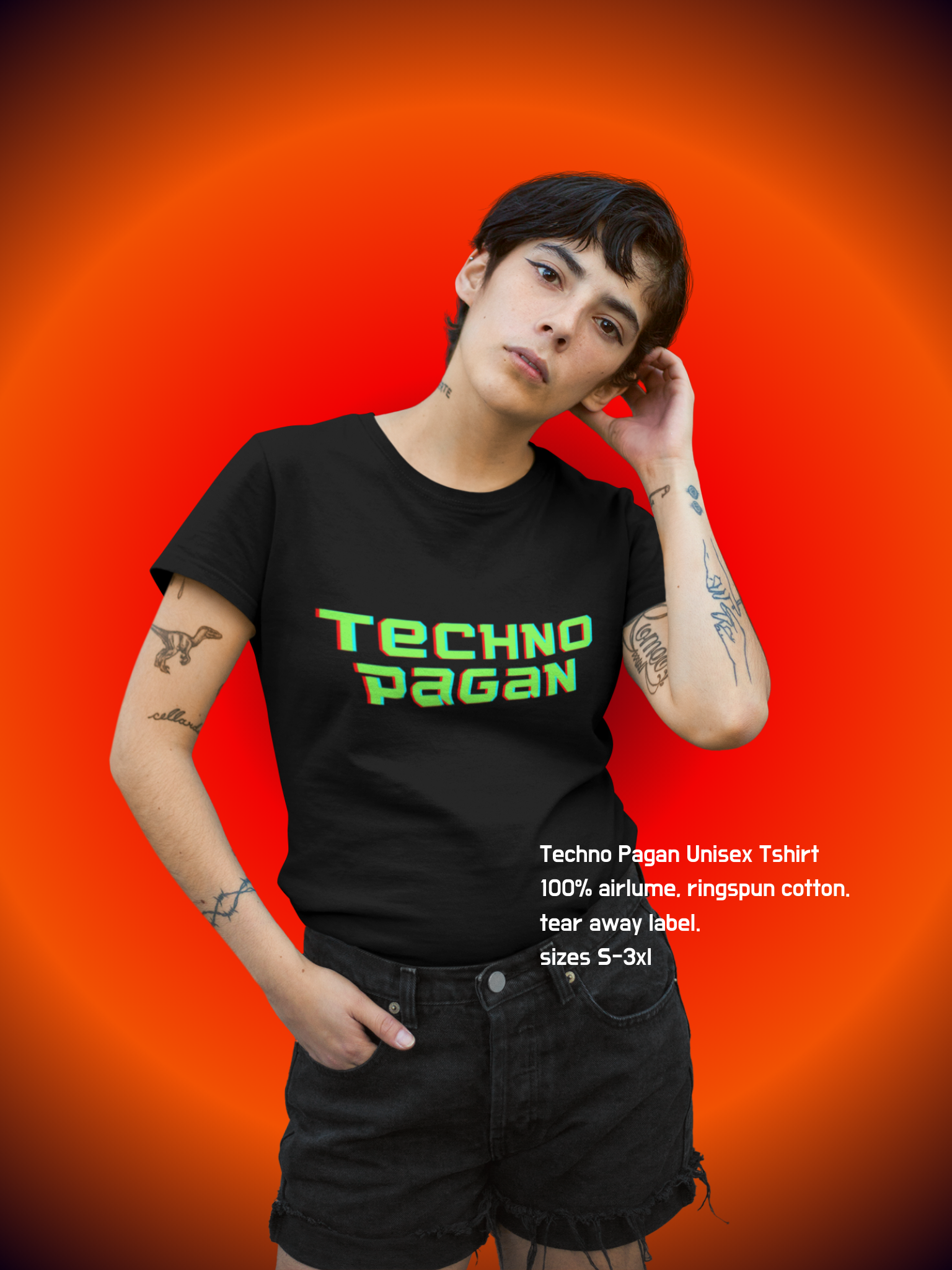
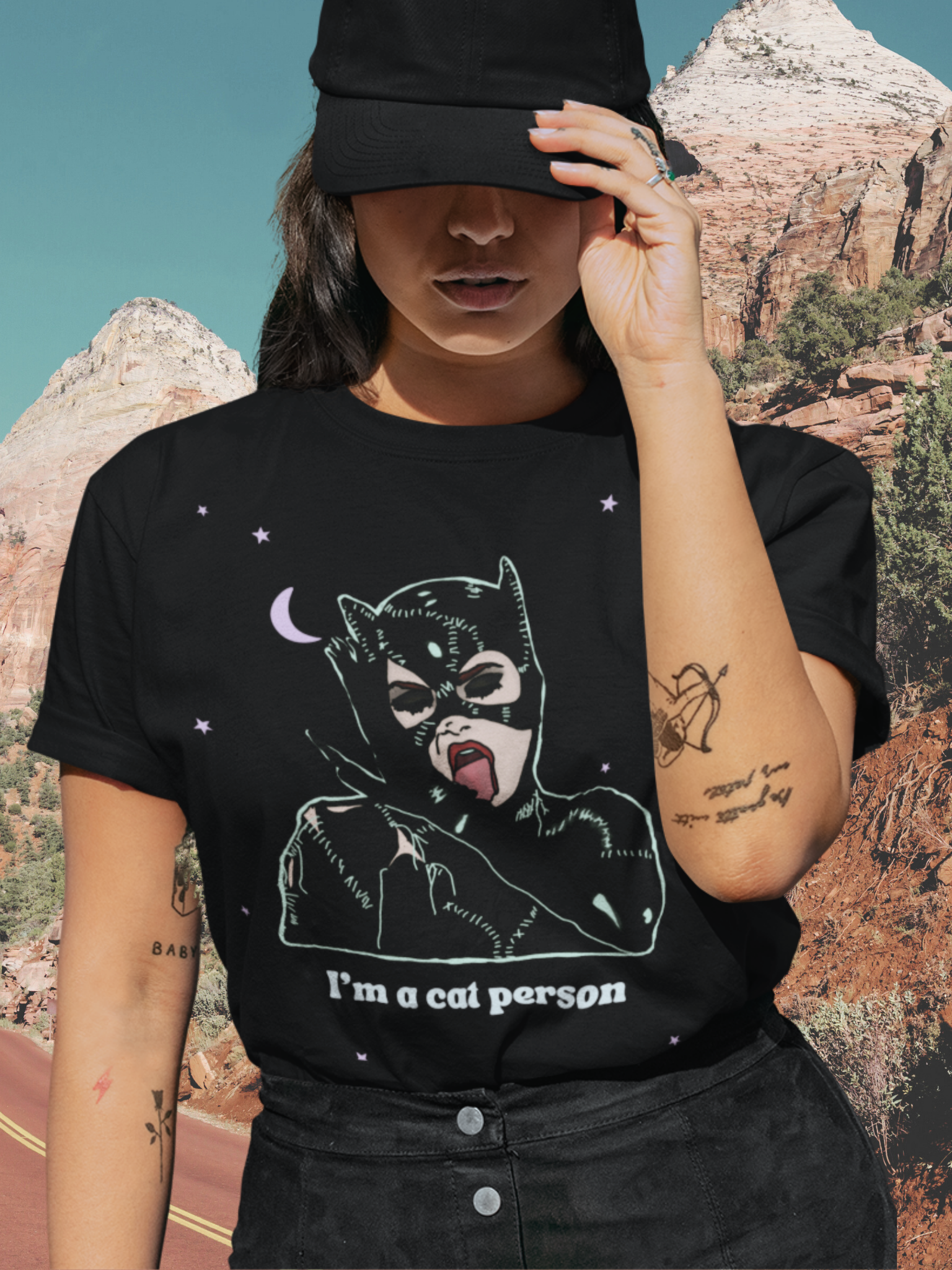
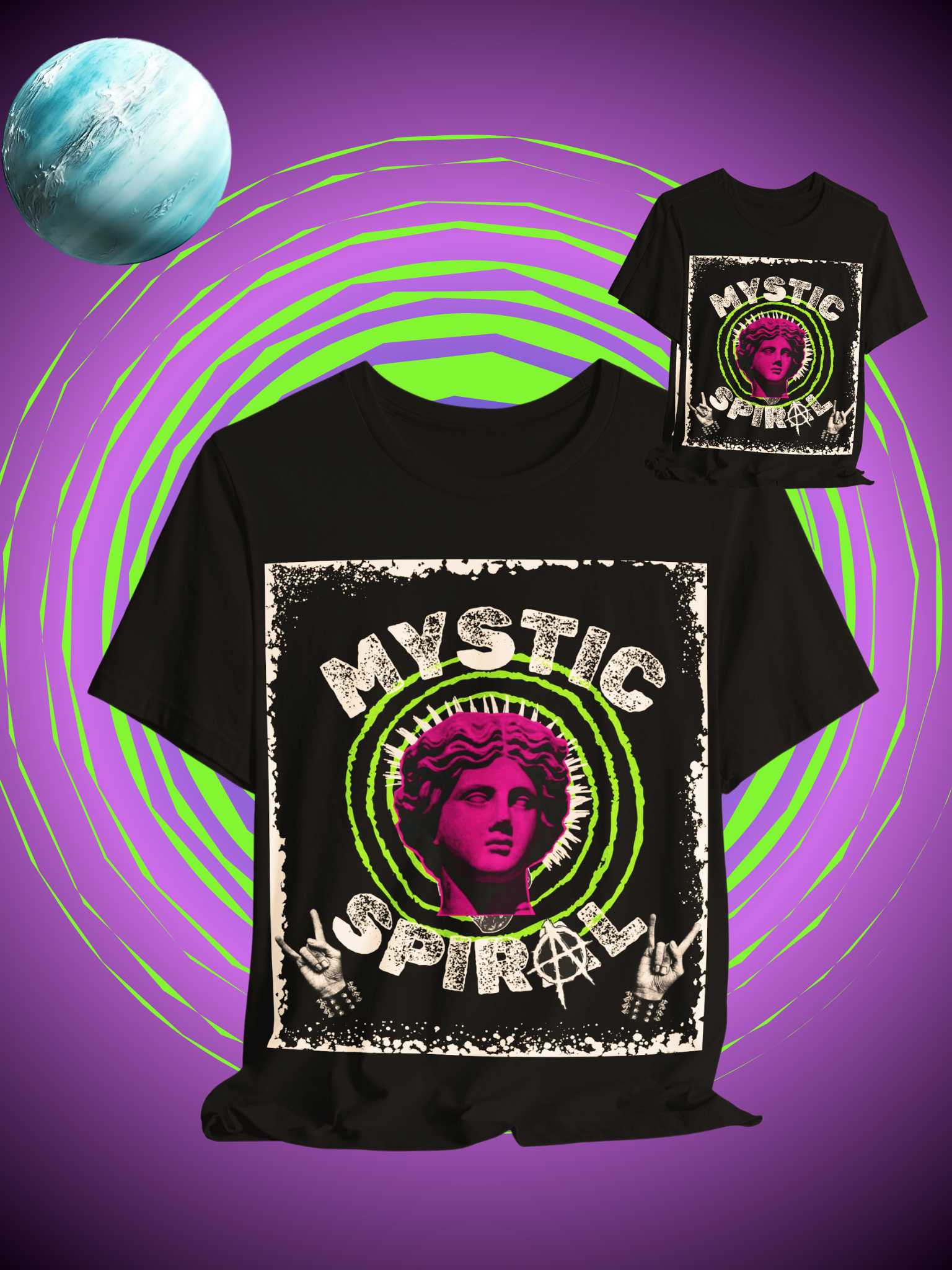
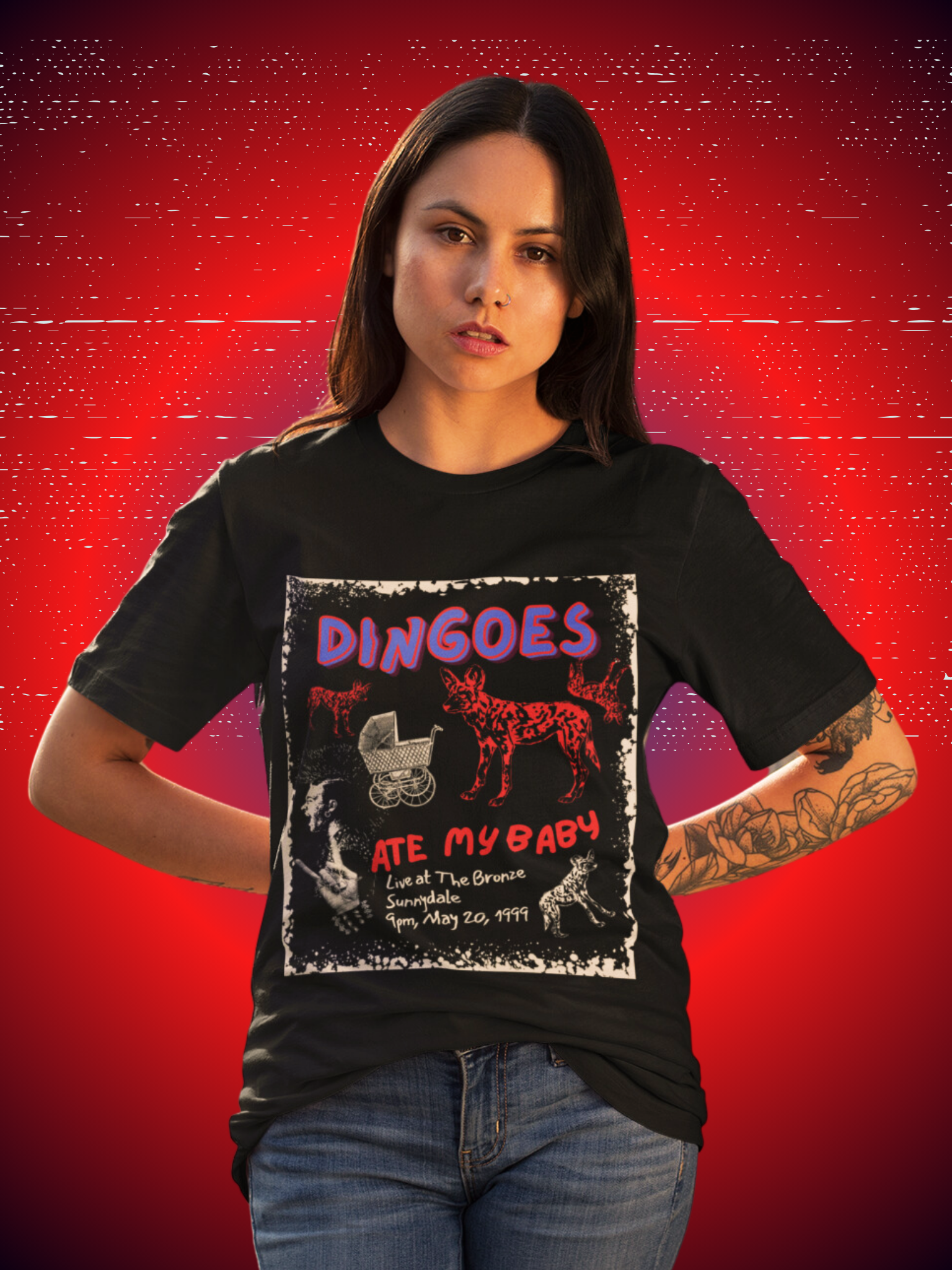
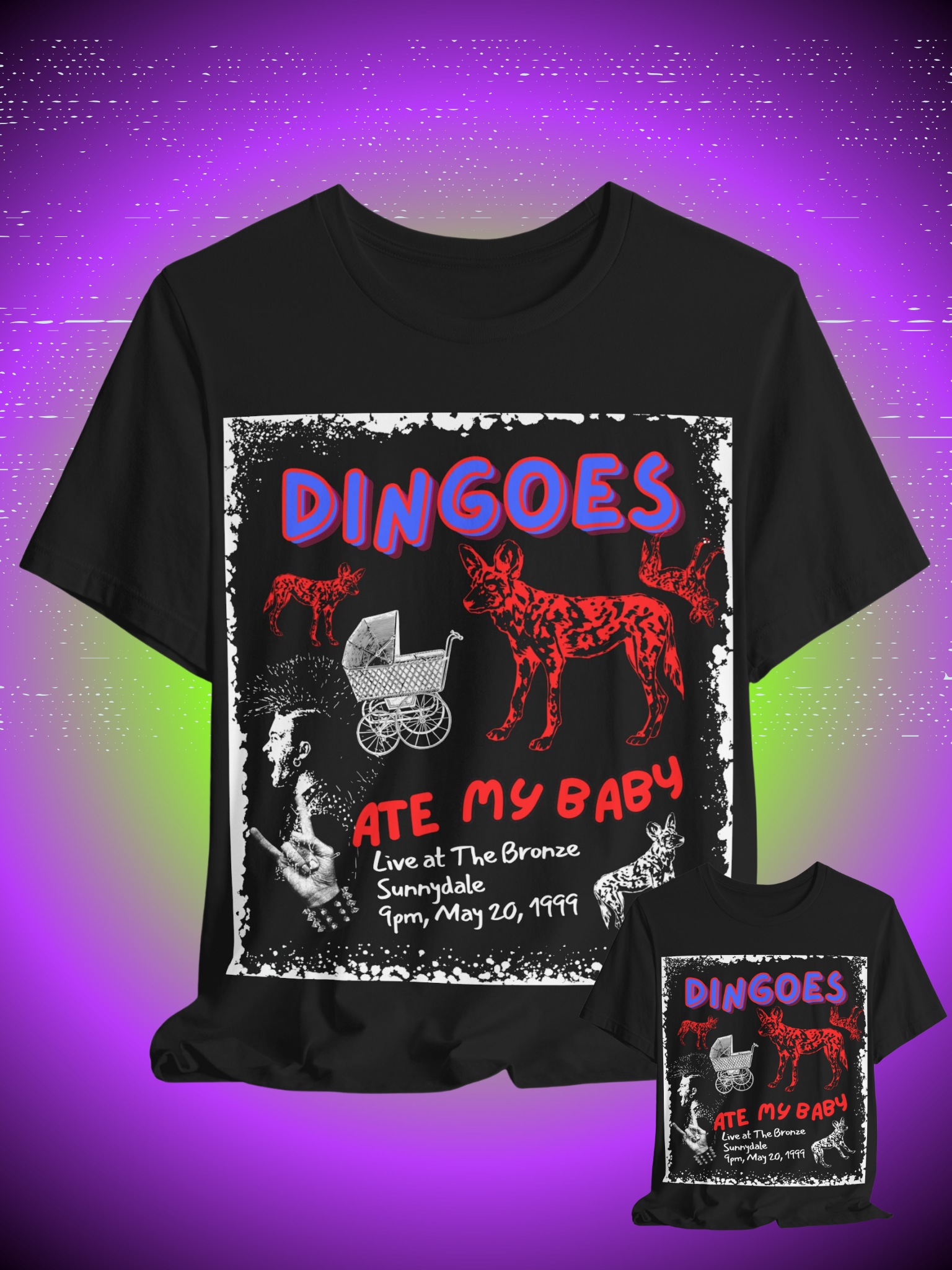
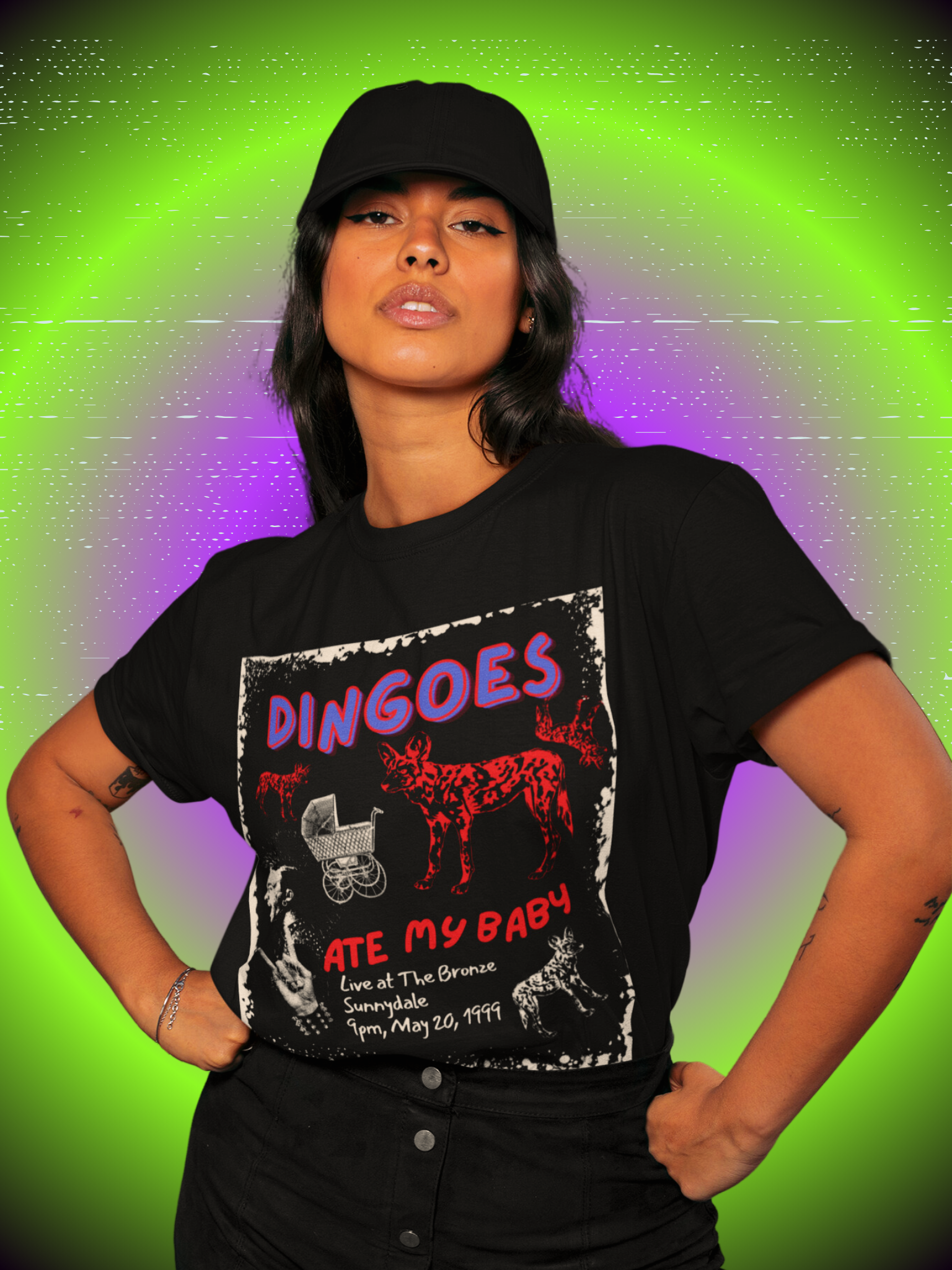
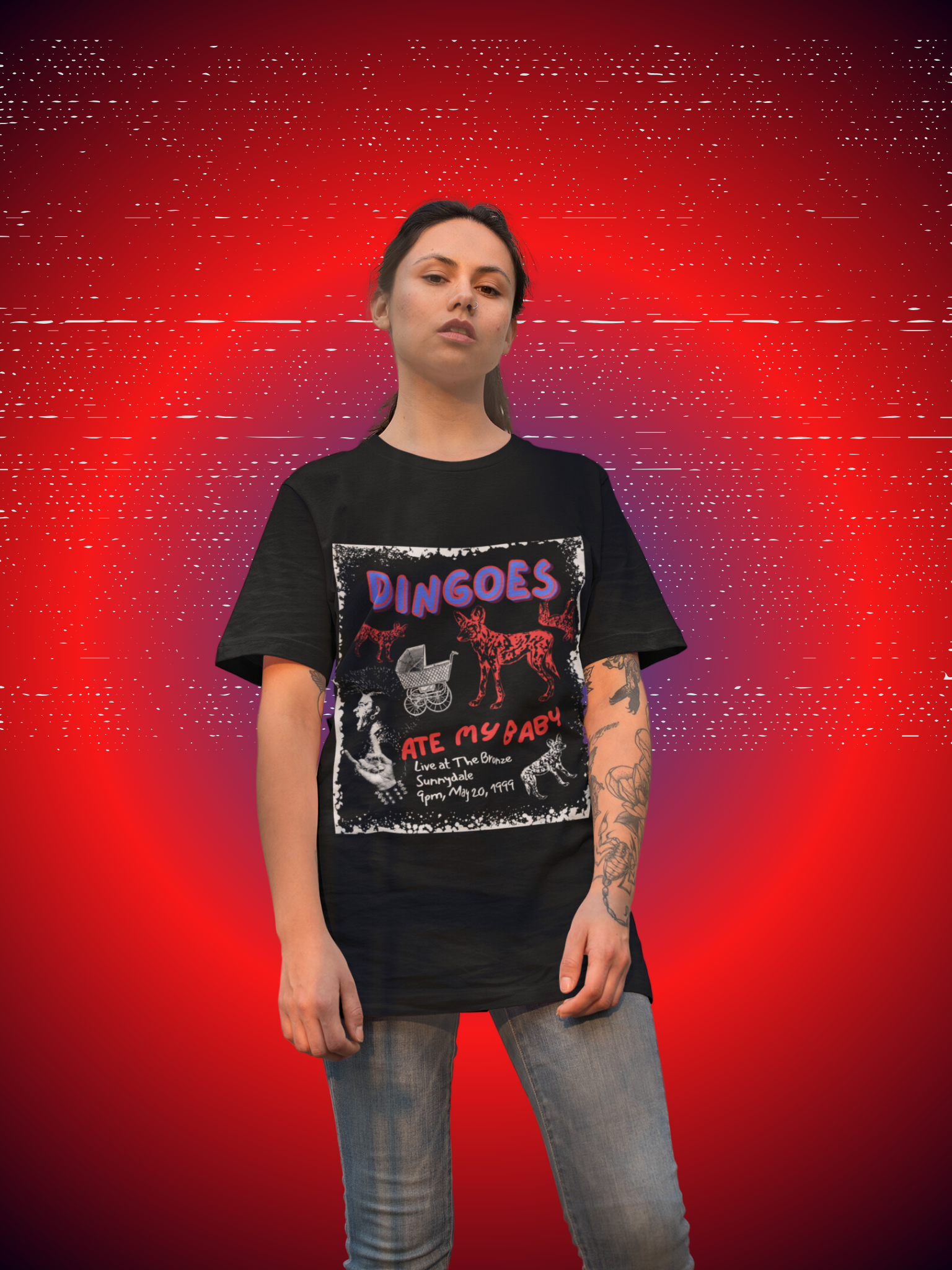
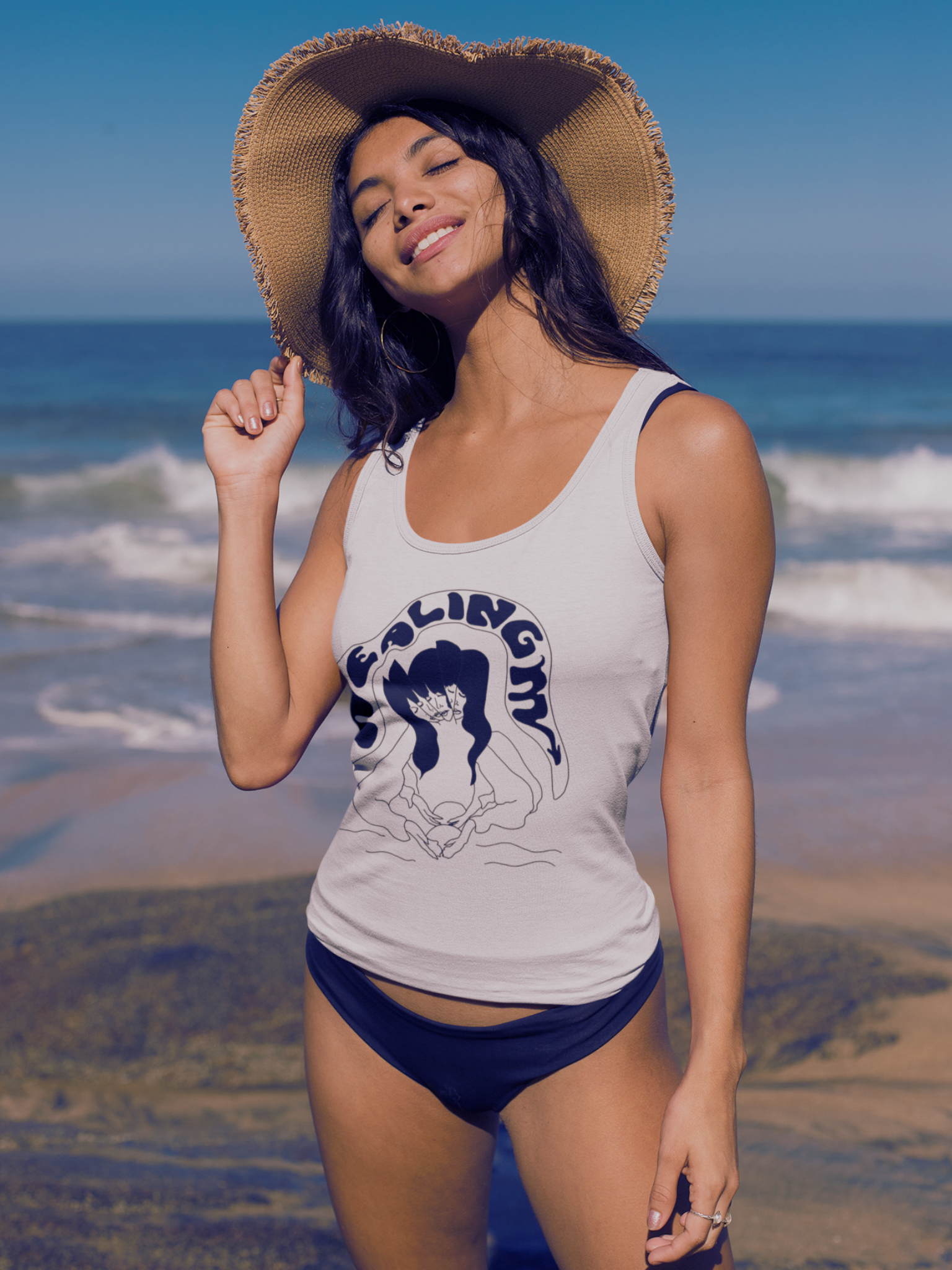
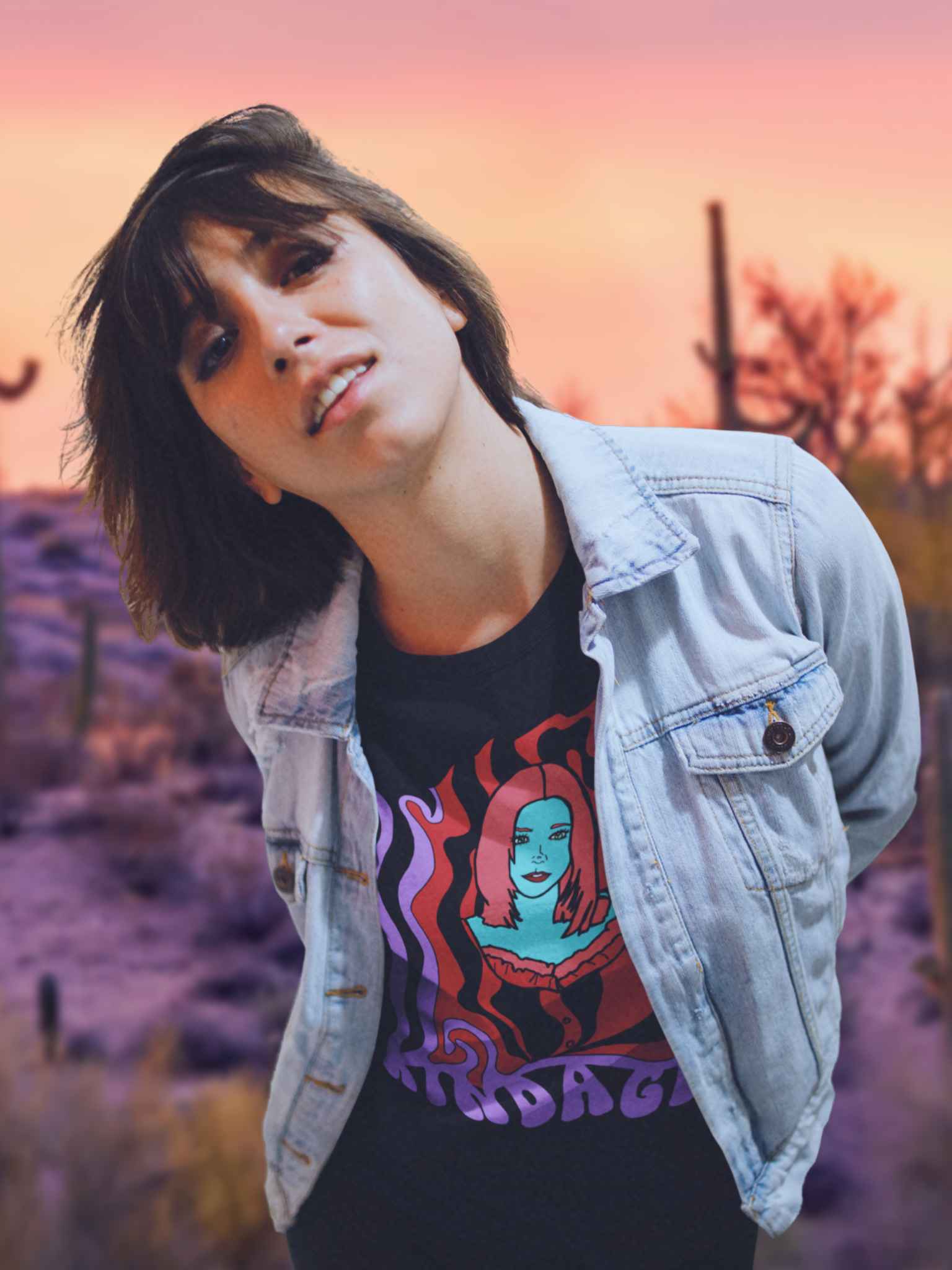
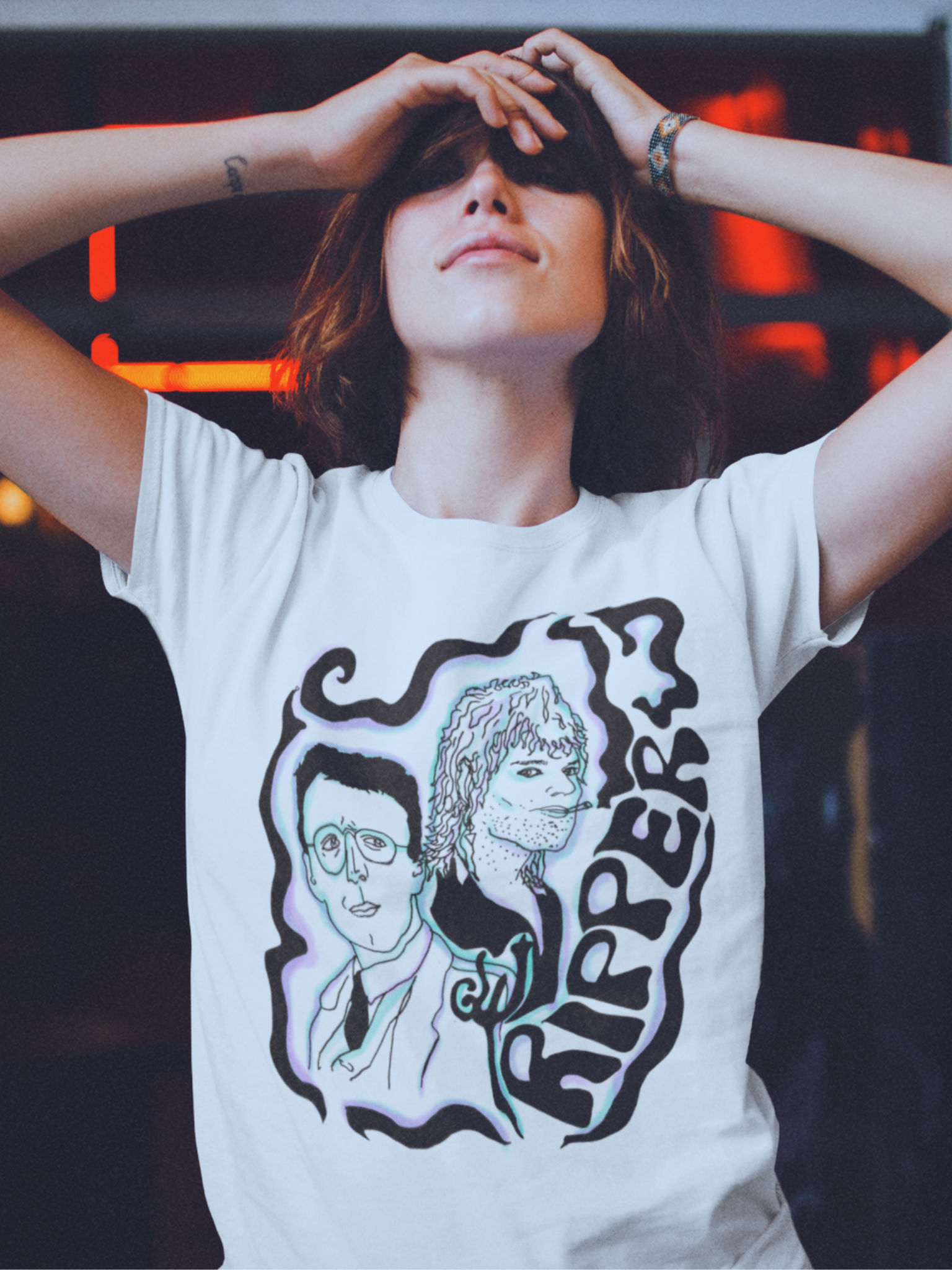
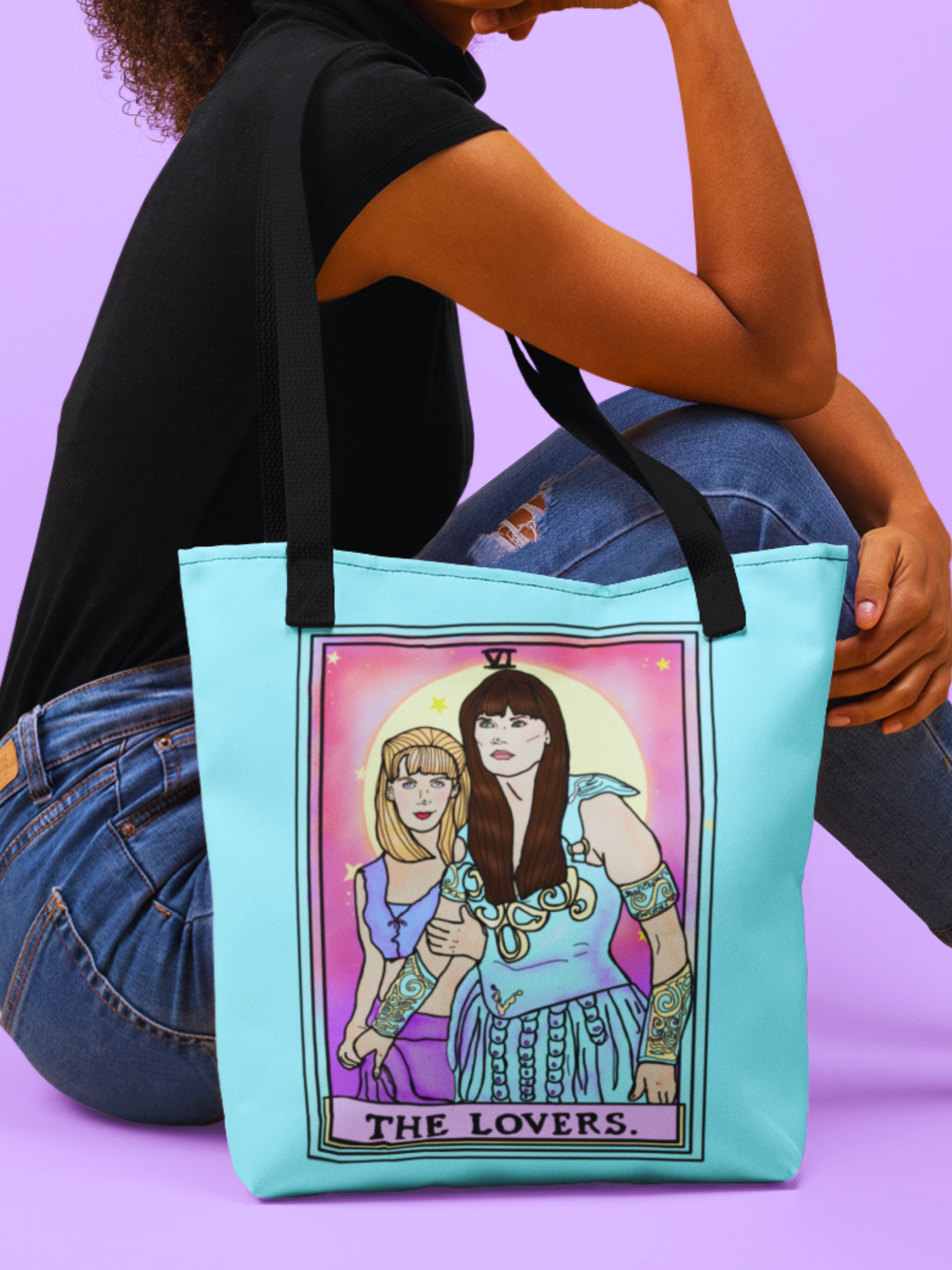
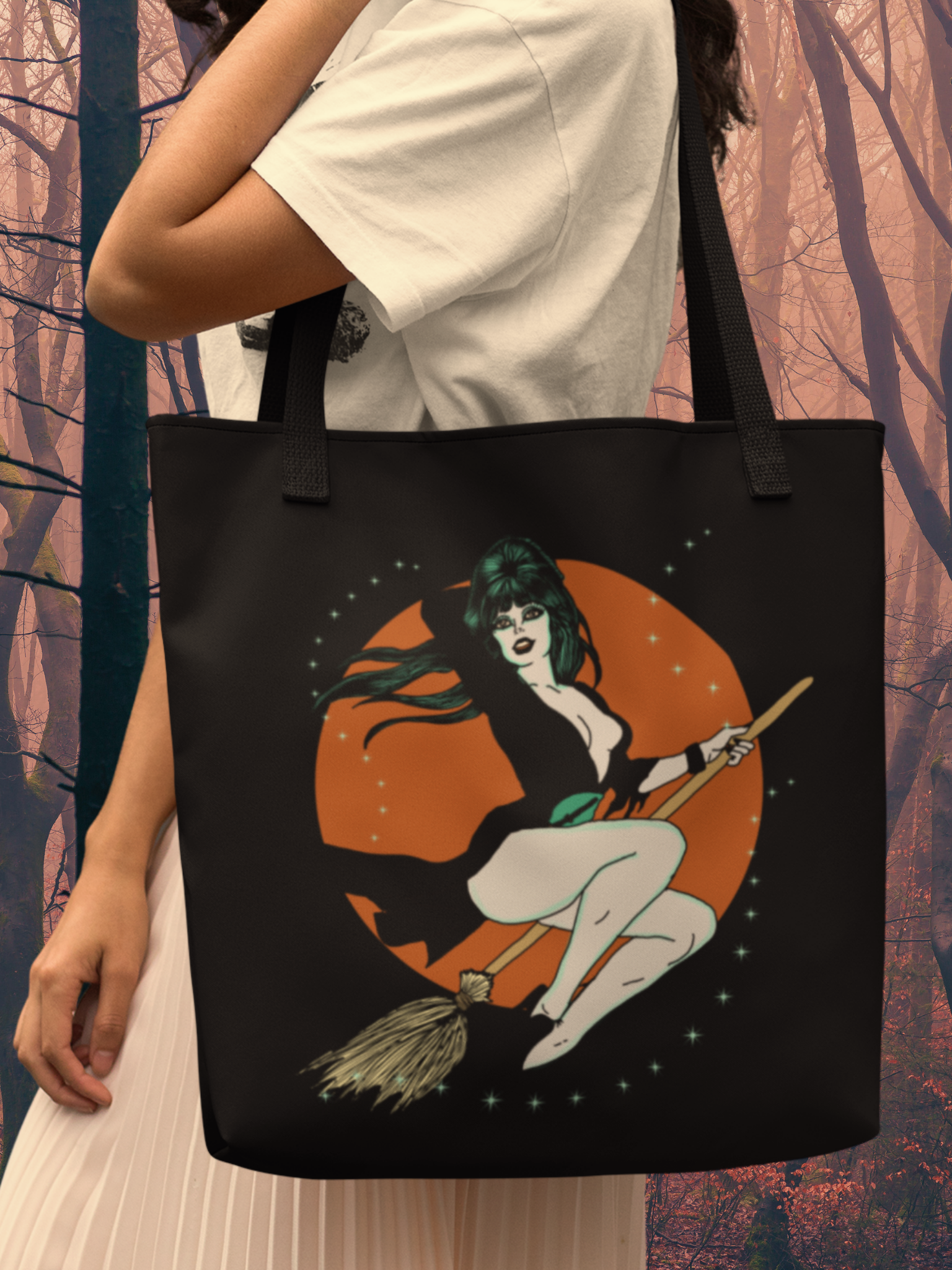
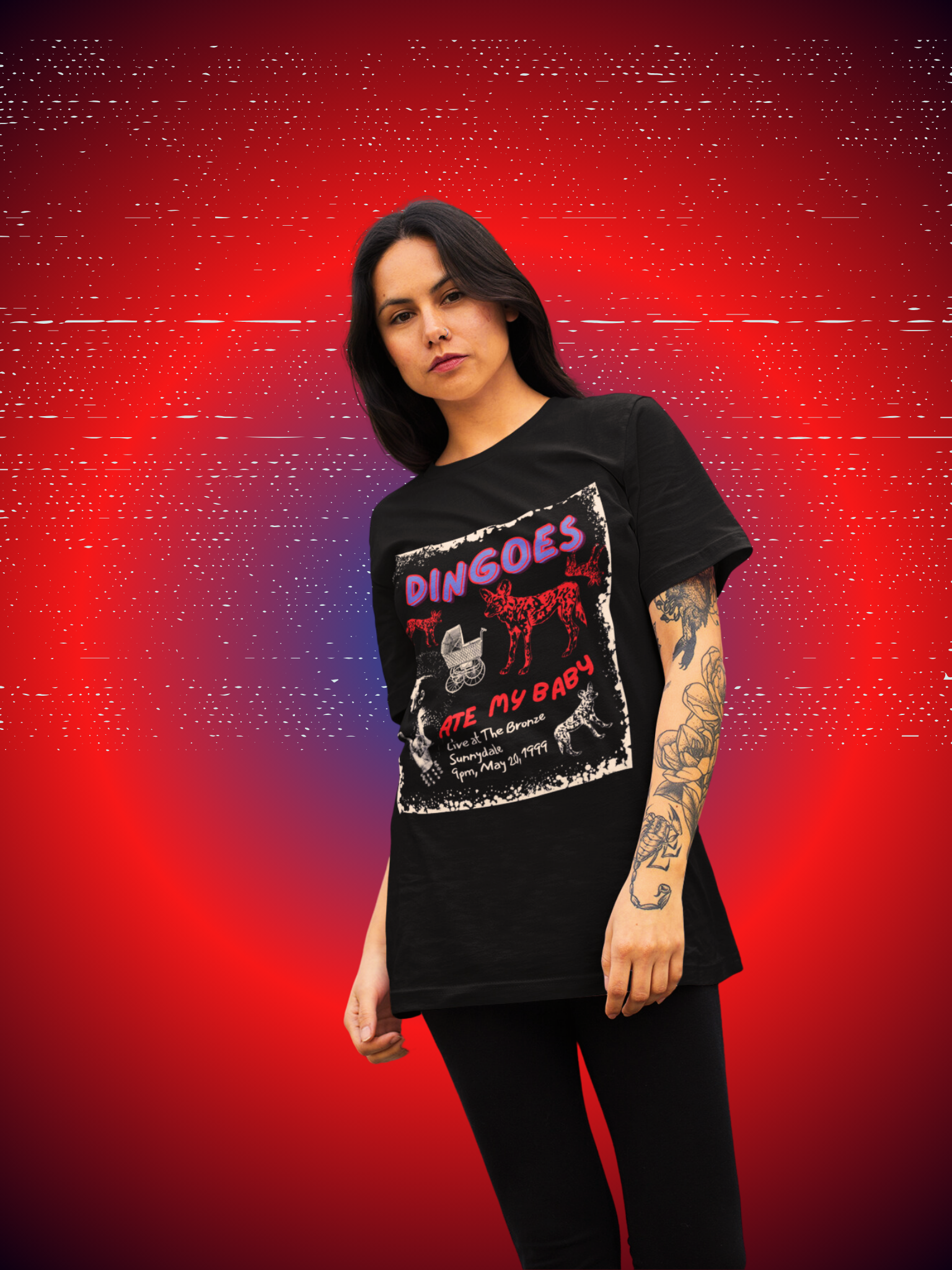
Hiring models and photographers is not in the Haunted Fembot budget, but learning to create realistic, branded product mock-ups is! In 2024, a year which has seen a dramatic increase in start-up print on demand (POD) e-commerce, there is no shortage of mock-up generation software. The challenge is no longer, “how do we make it look like a real human is wearing our t-shirt?”, but “how do we make our mock-ups stand out when all our competitors are using the same models and backgrounds?”.
My take? If you can make a burrito, a taco, a salad, and a tostada using the same 5 ingredients, you can create a unique, branded product mock-up using the same stock photos. Especially when most brands won’t bother to make alterations to the AI generated output they receive. Creative cropping, adjustments to light settings, photo filters, and backgrounds can render the same old photo unrecognizable to most.
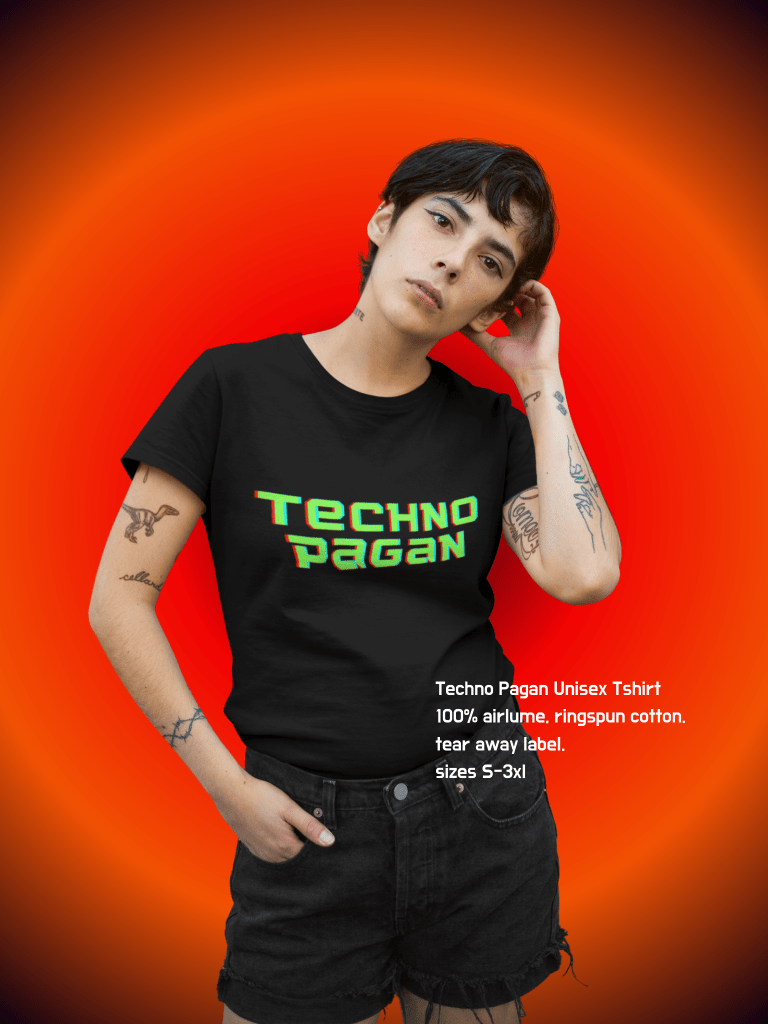
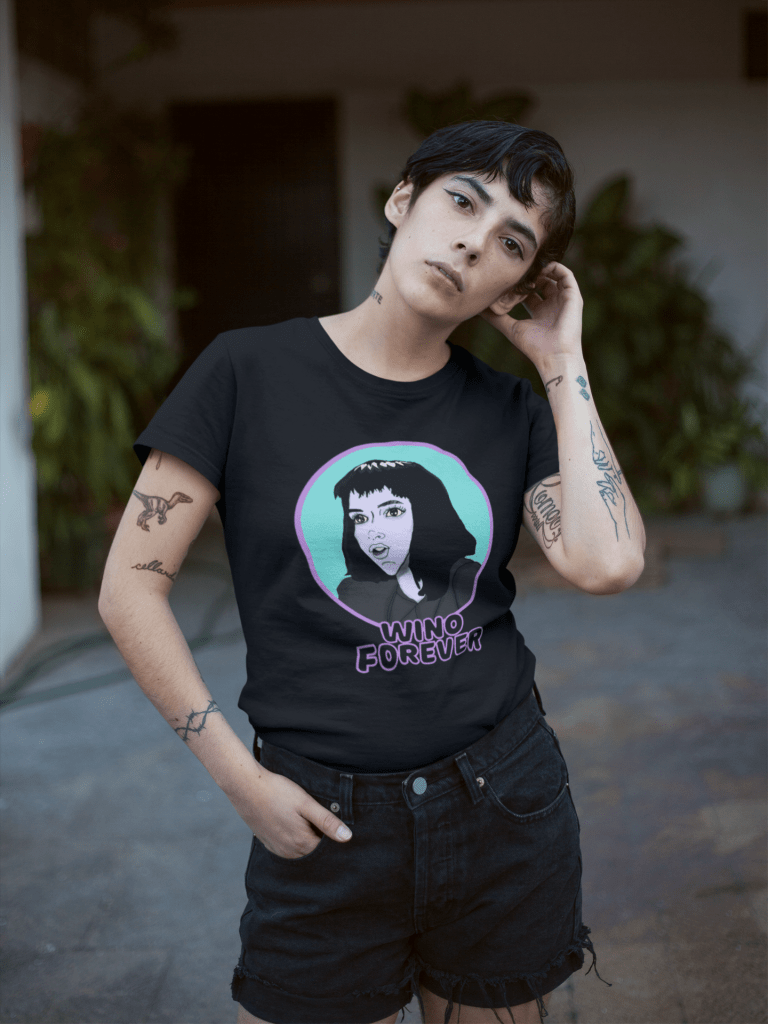
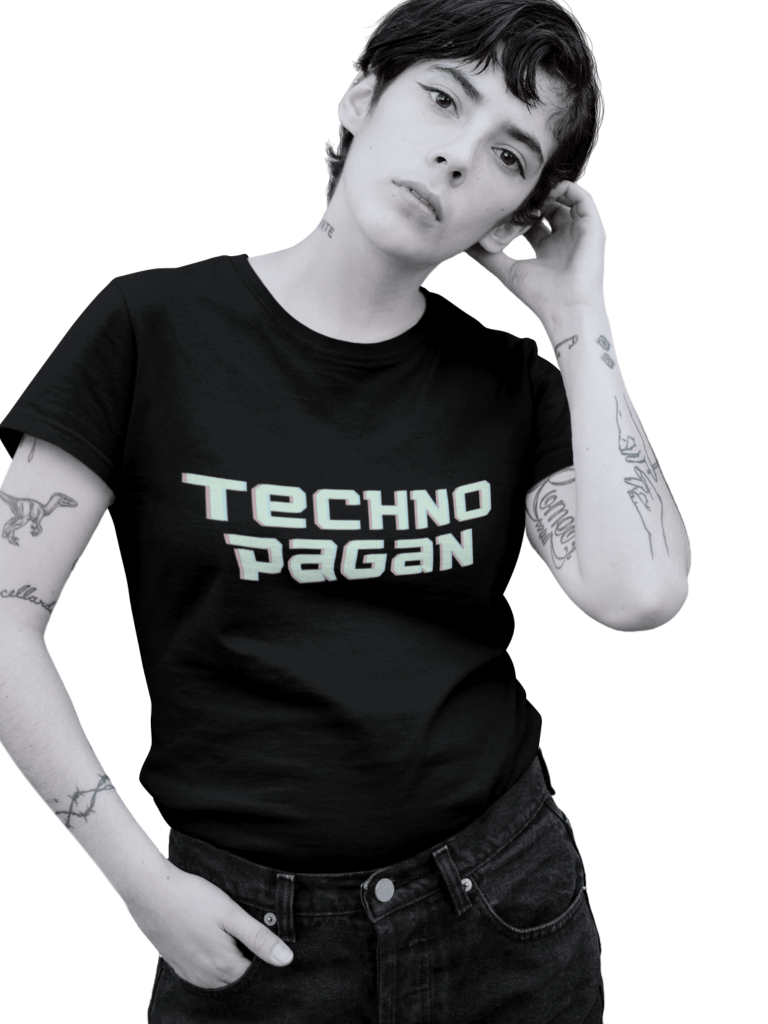

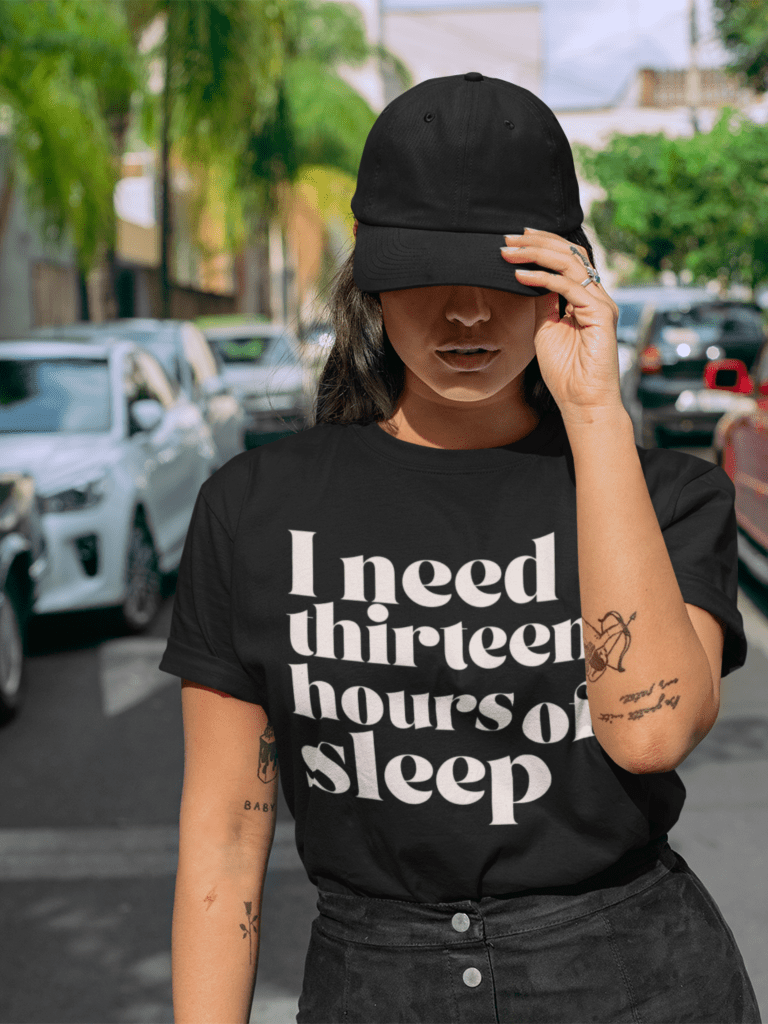
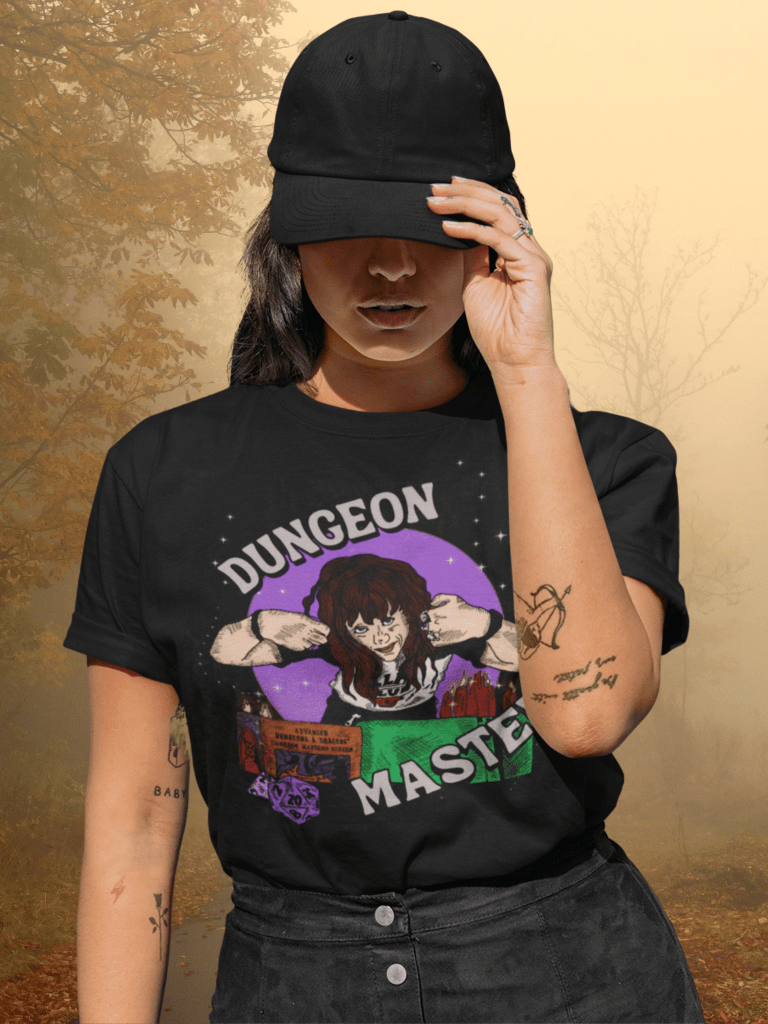


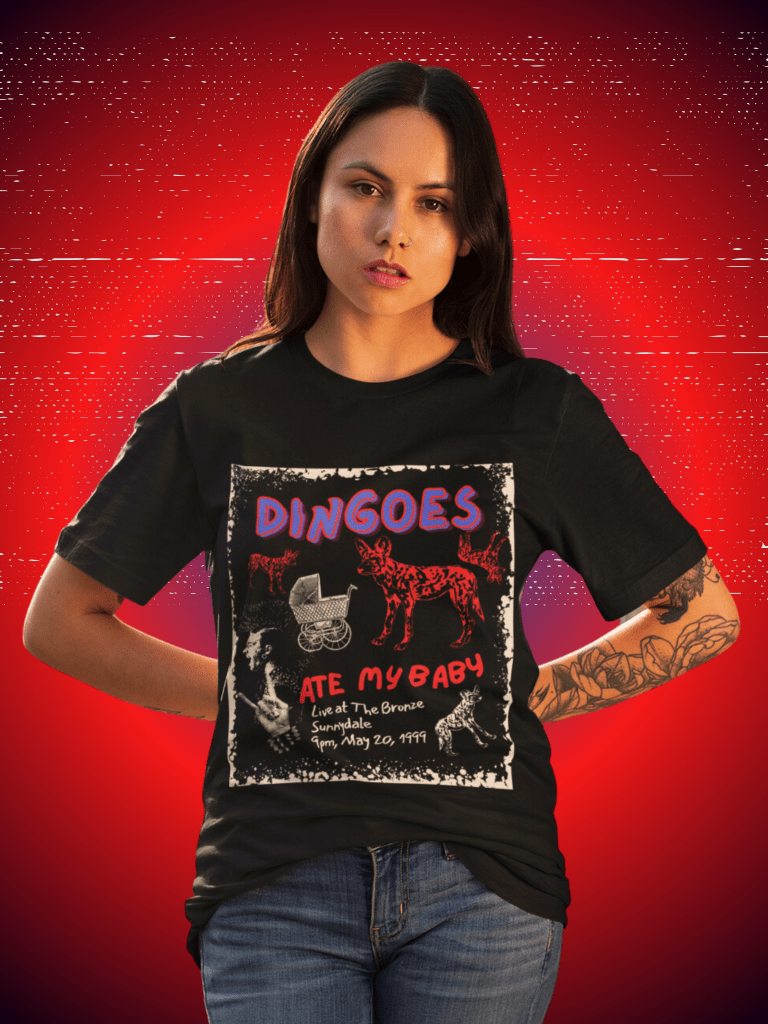


When you integrate these mock-ups with the rest of your product photos, they blend in and the alterations establish some brand cohesion and elevate your site’s aesthetic. I’d also argue that using the same stock model for different products within your catalog gives the impression that your brand prioritizes art direction and has a regular team of models and photographers.
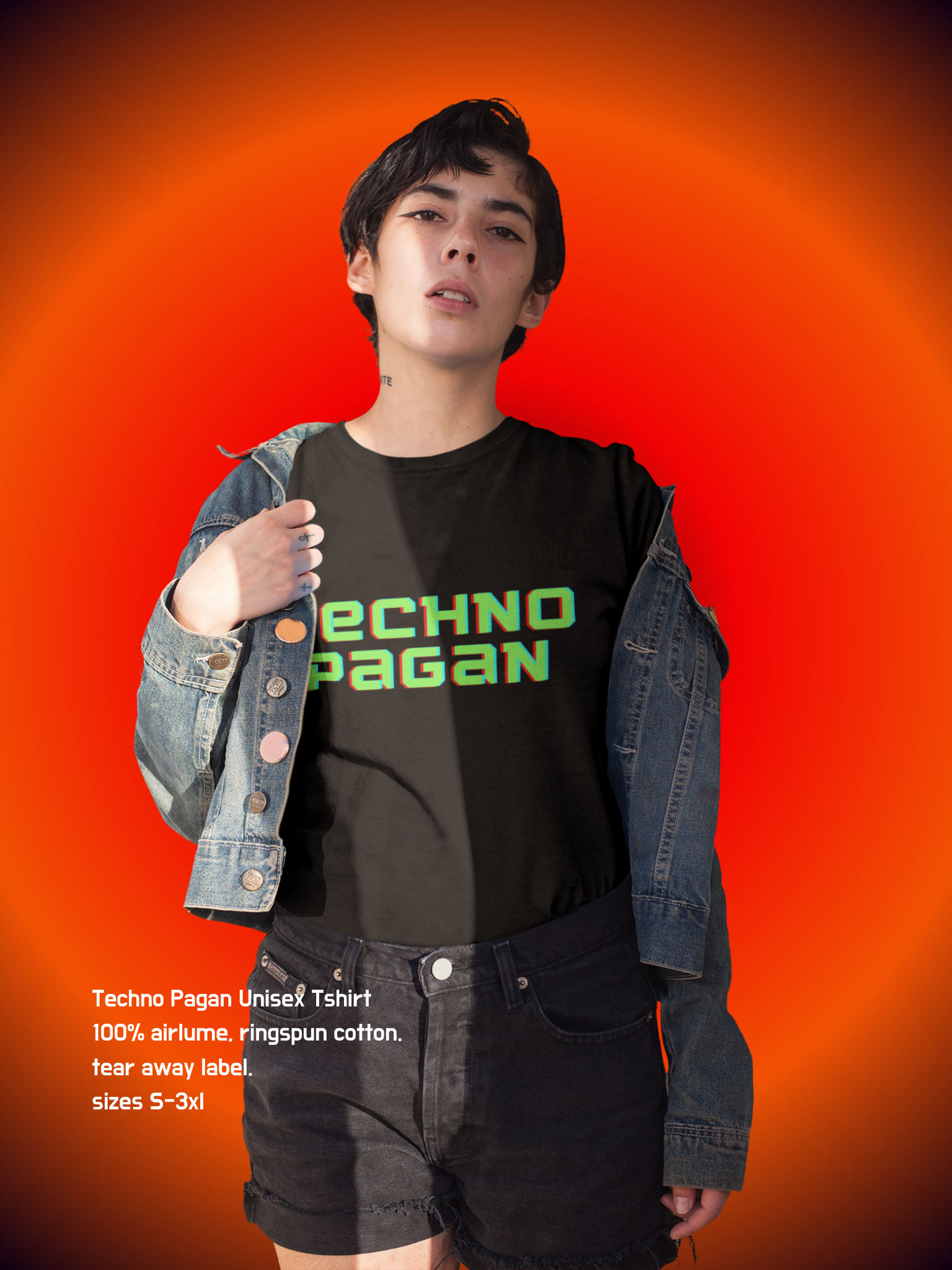
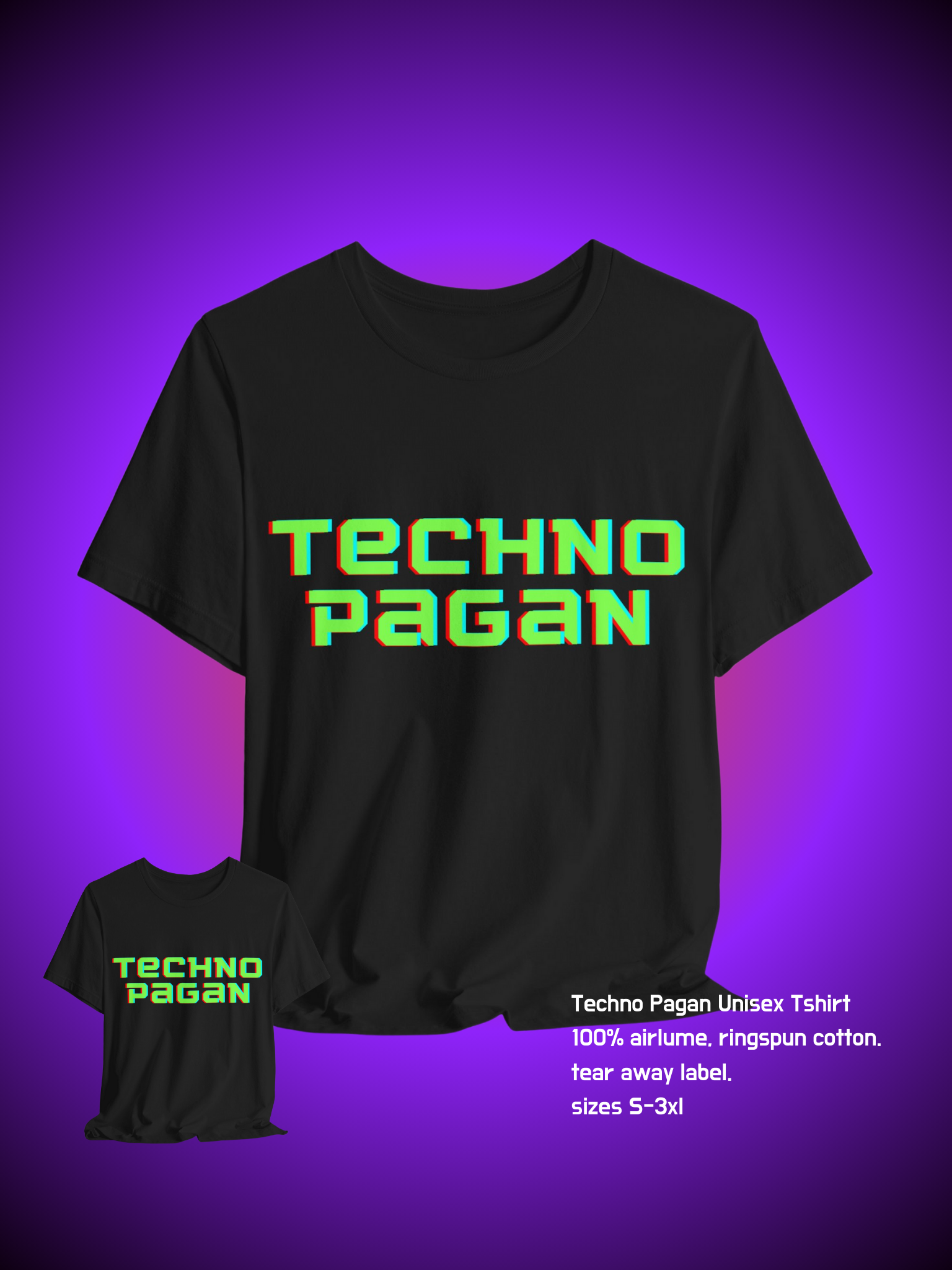
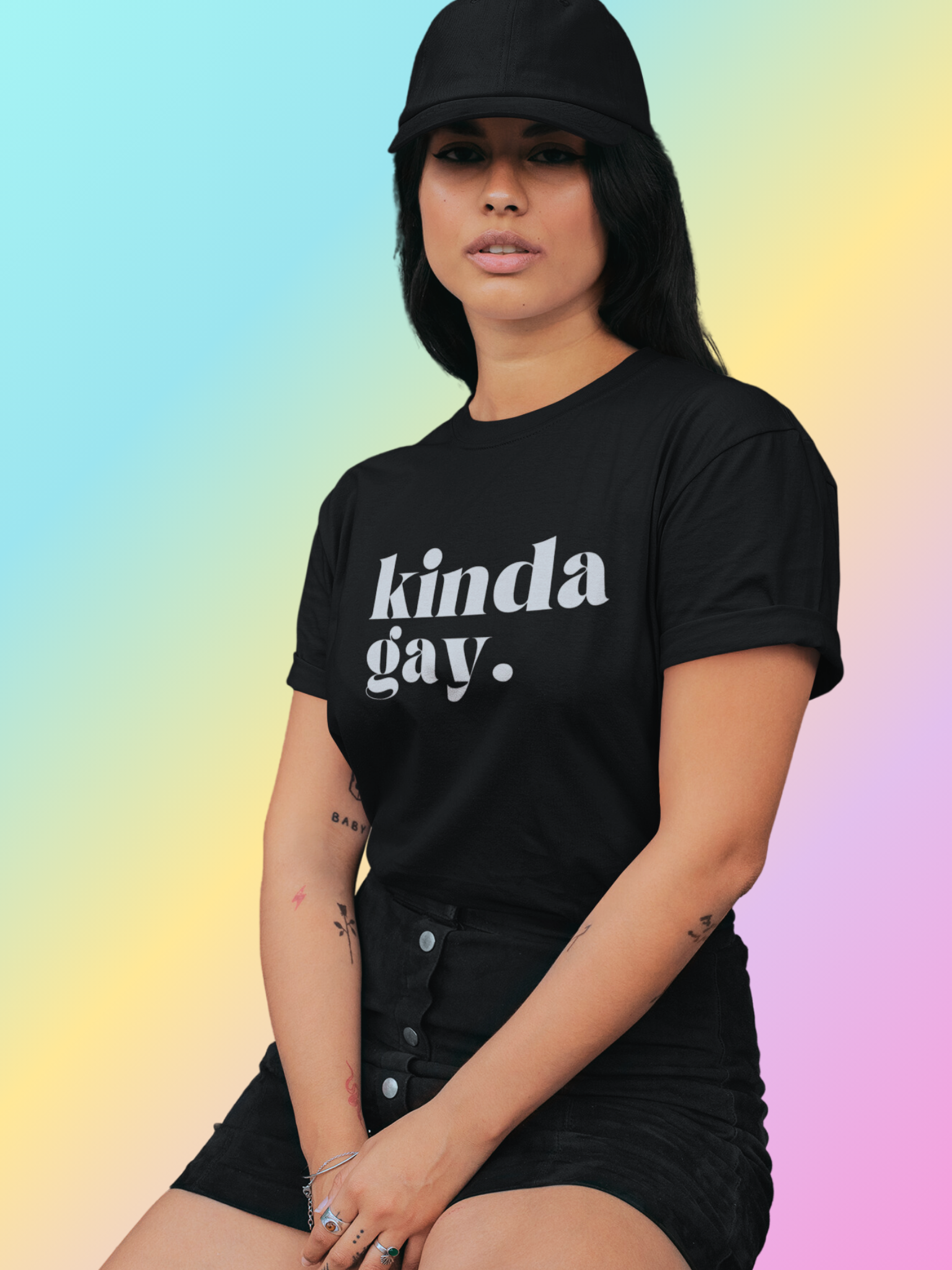
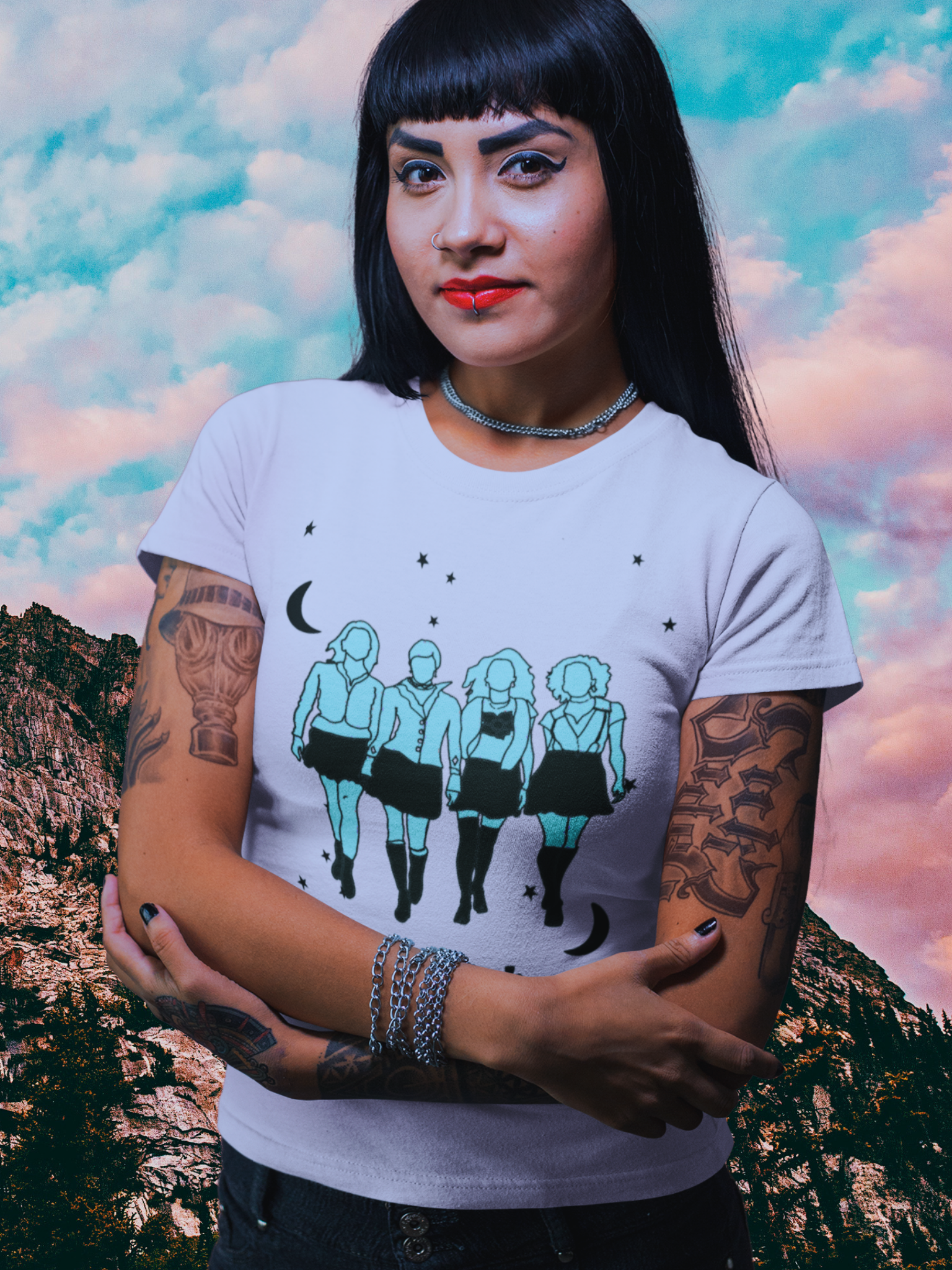



Real Photos
When it comes to real product photos for handmade products, I believe that macro shots are king. All of the photos below were taken with an iphone in a one-bedroom apartment using natural light.
The majority of these images were created for my handmade brand, Anima in Bloom and my femme pop brand, Haunted Fembot. Proper framing, an artistic eye, and simple lighting adjustments make it possible for a brand with limited resources to generate stylized, clear, professional product images.
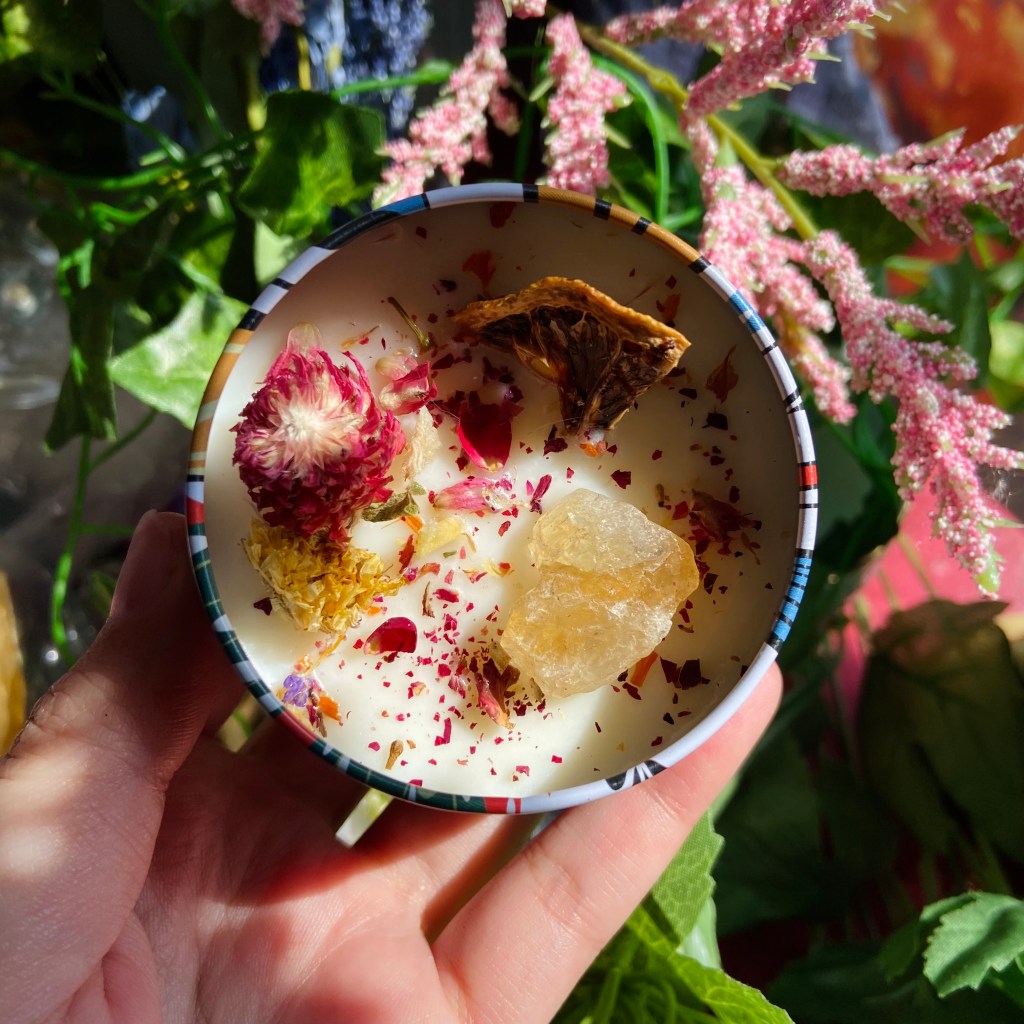
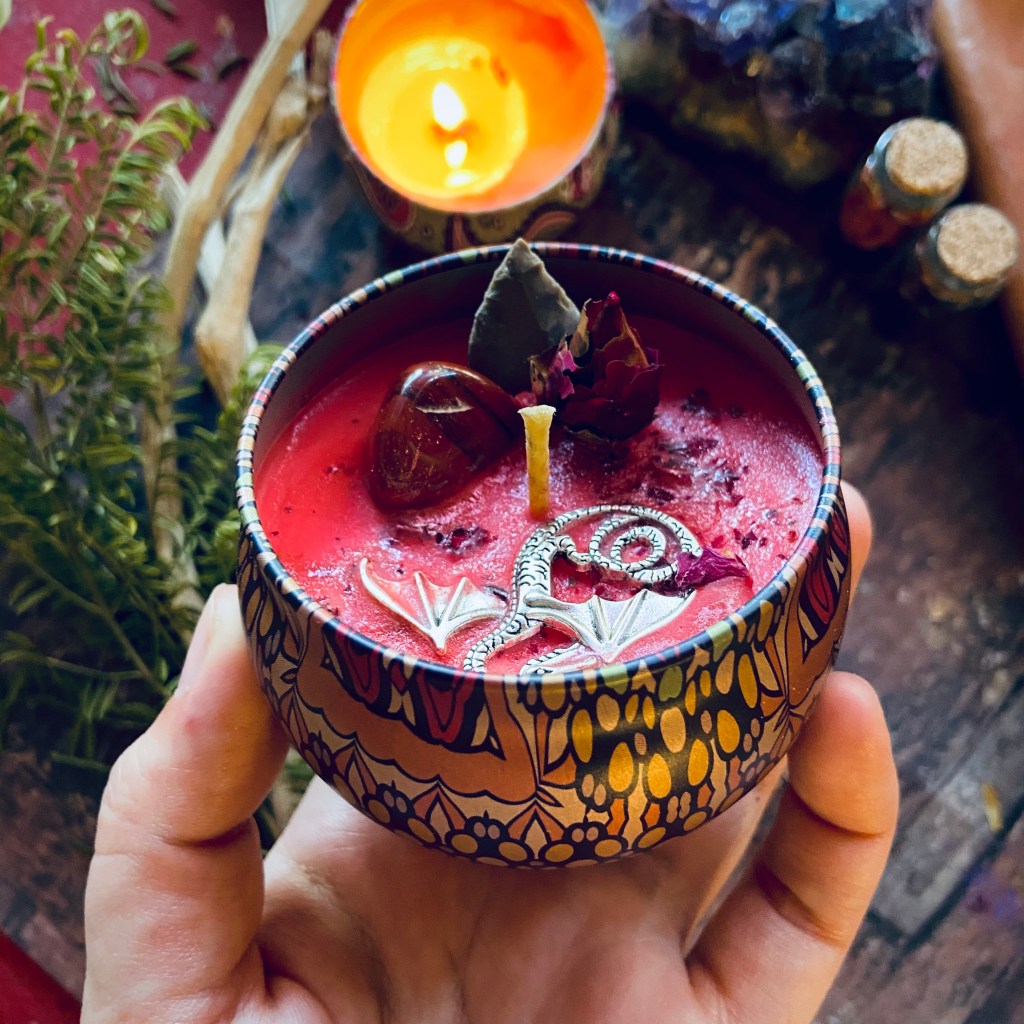
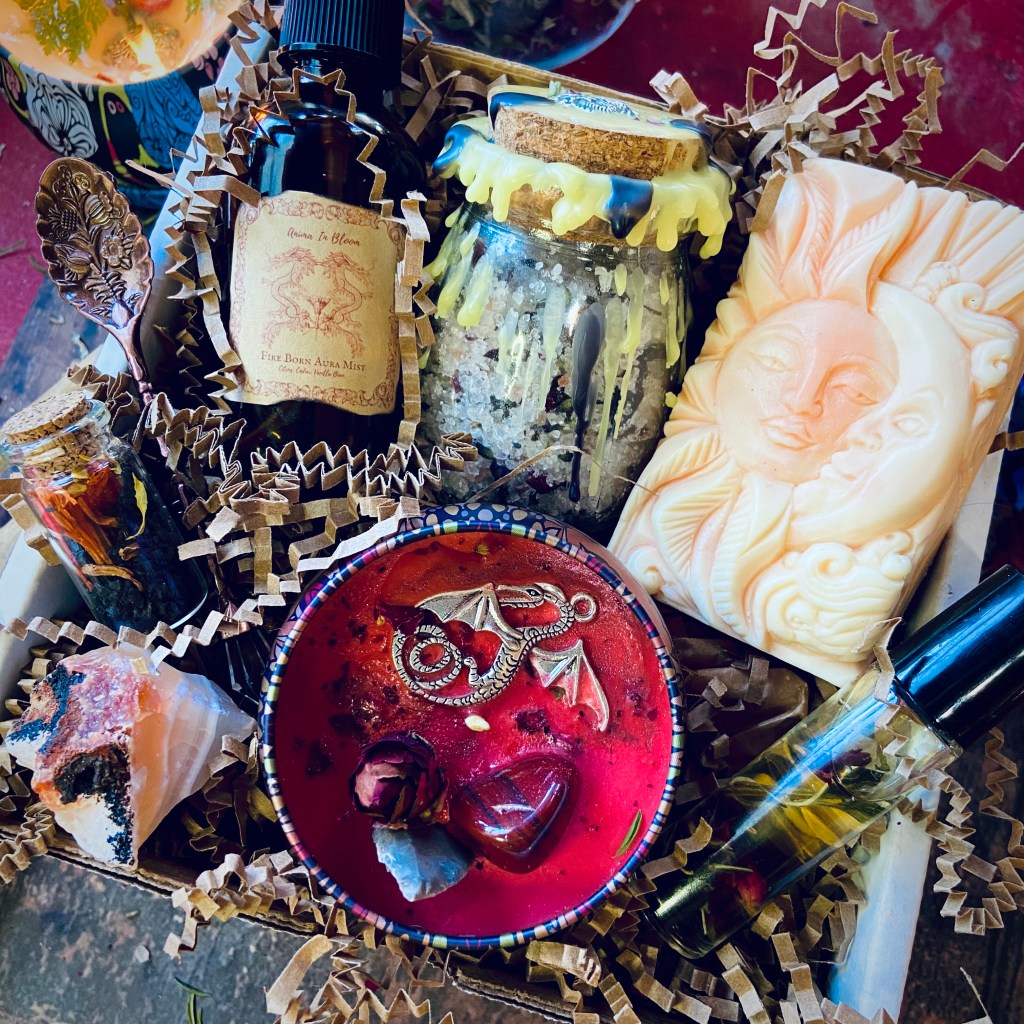
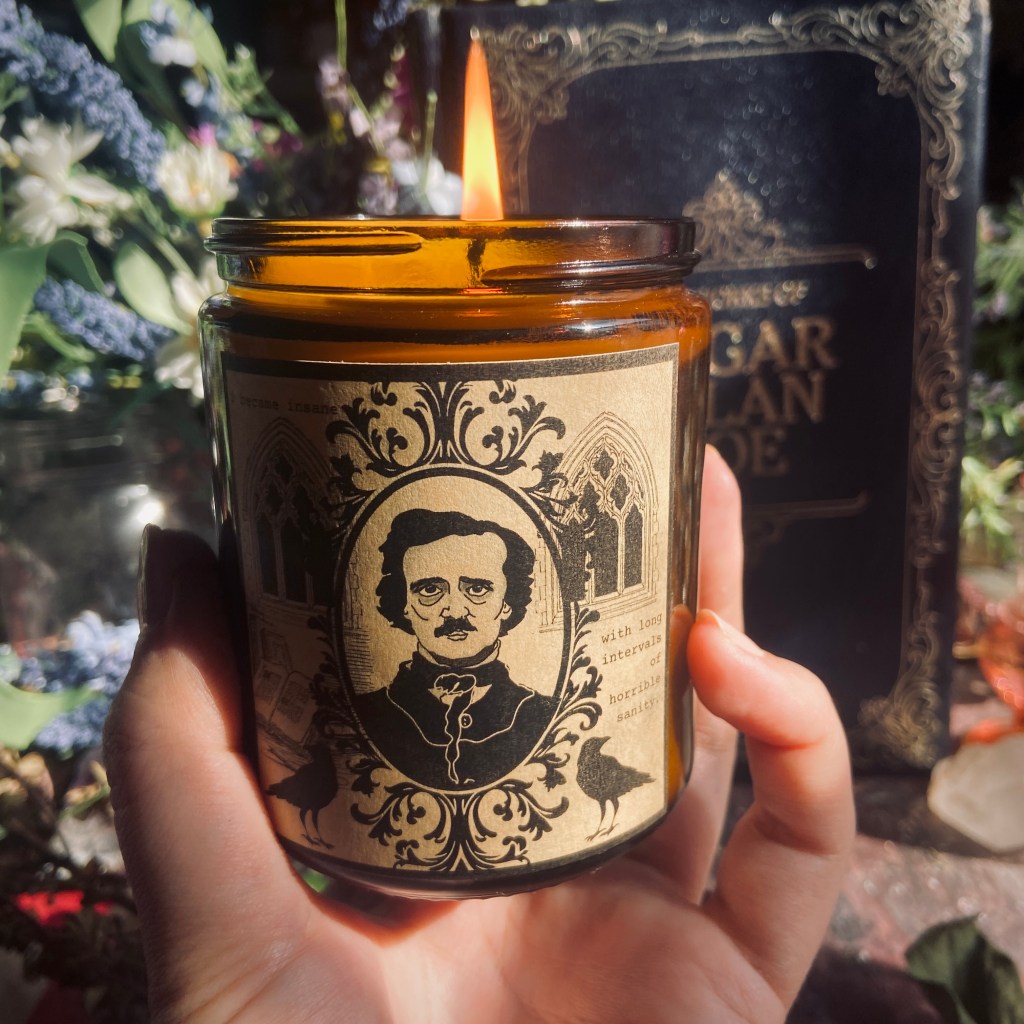
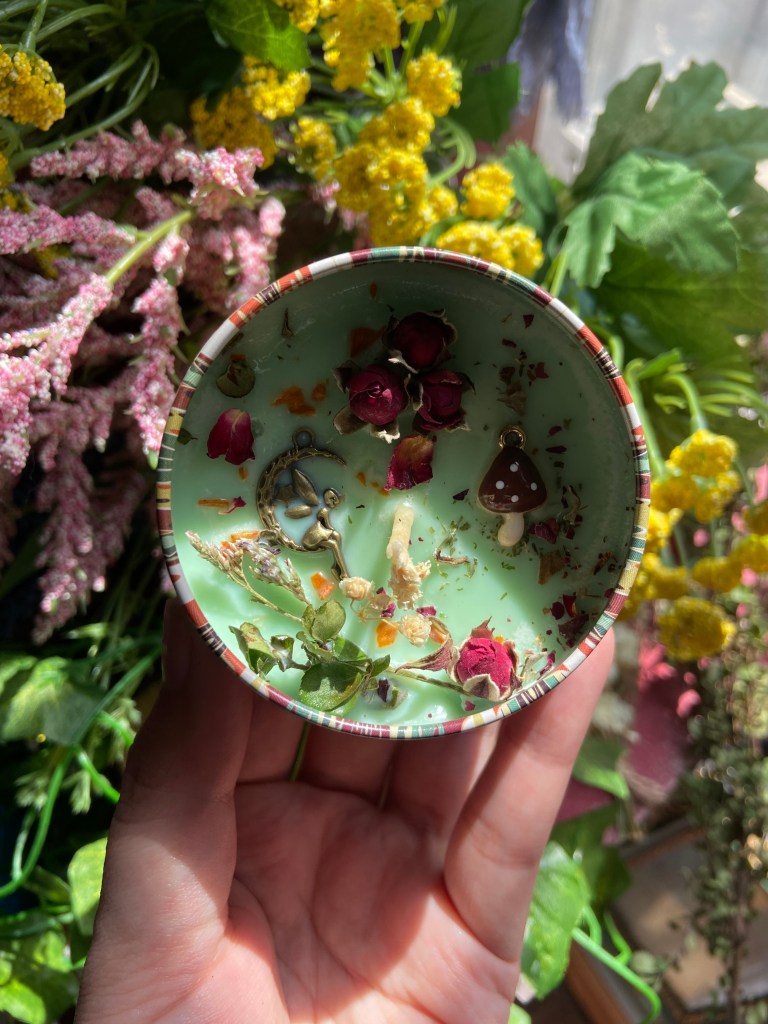
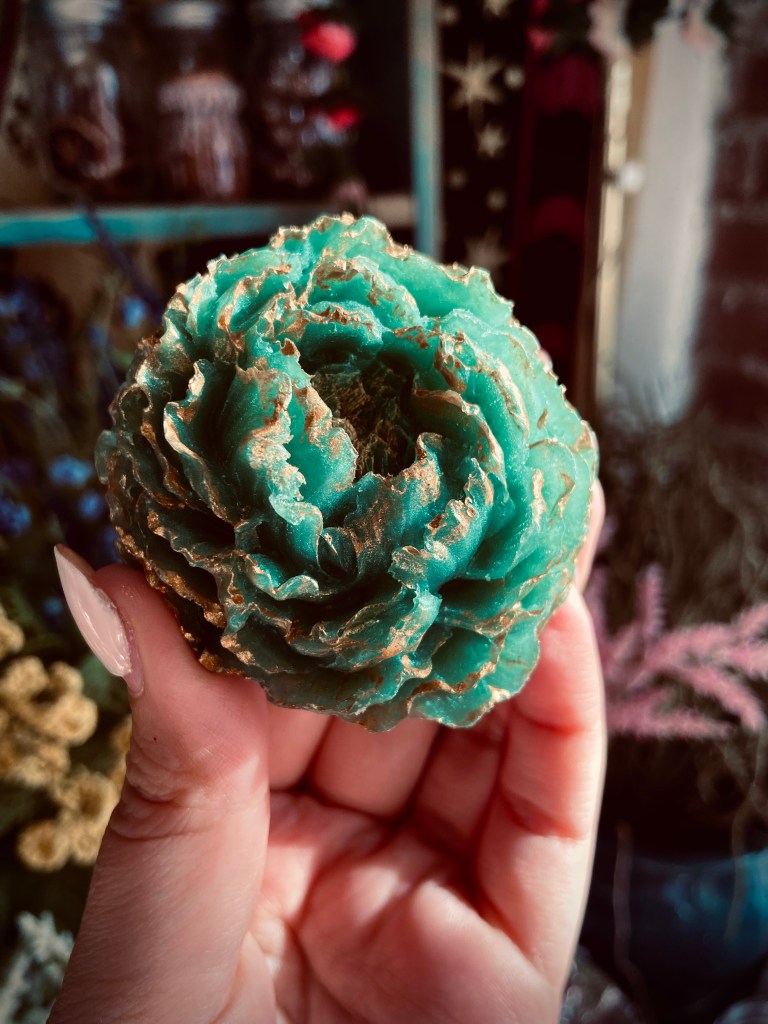

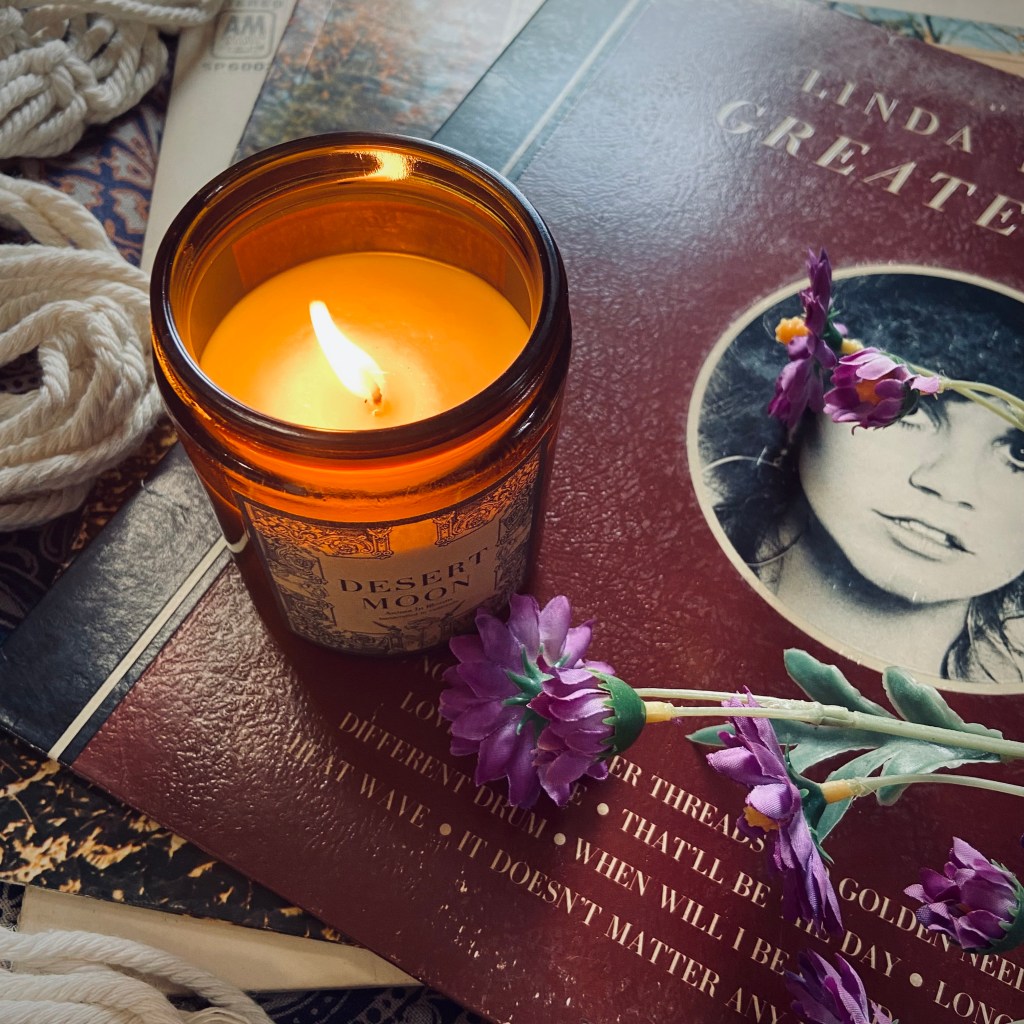

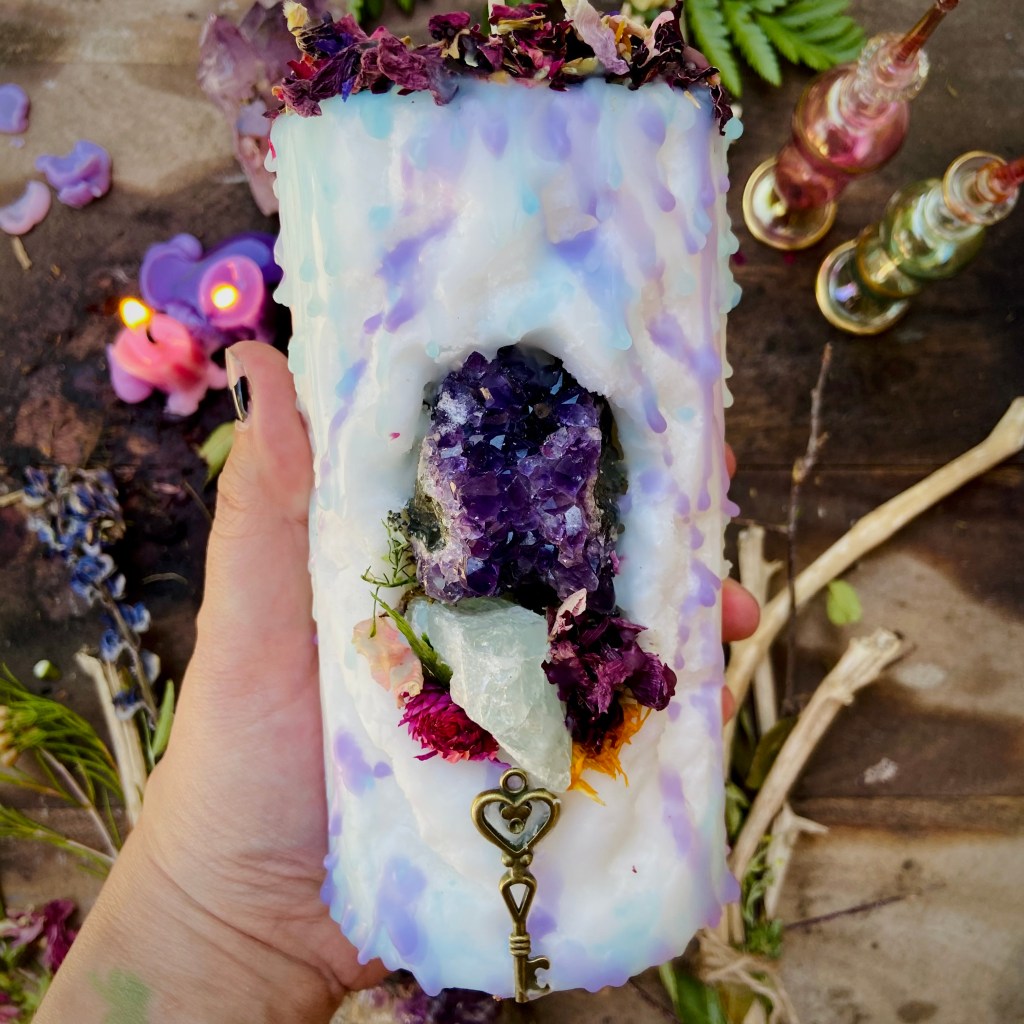
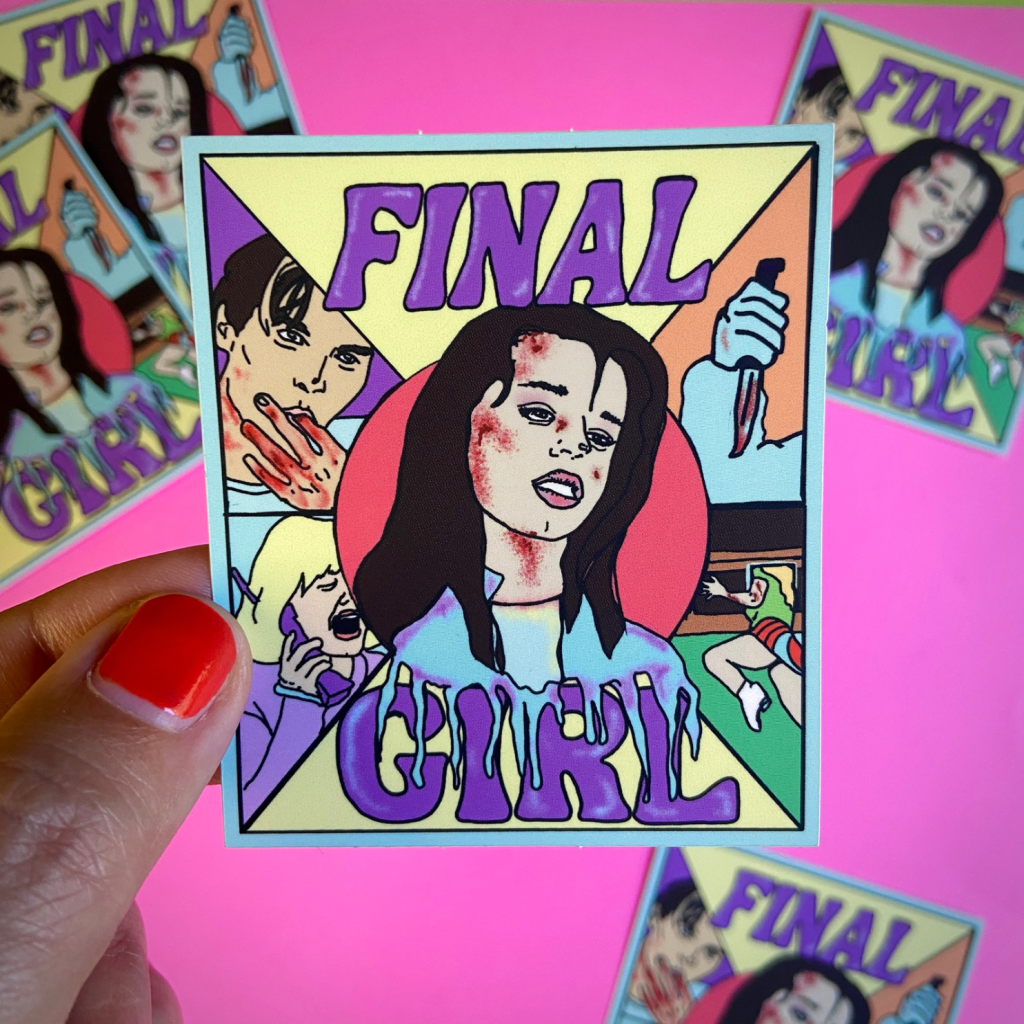
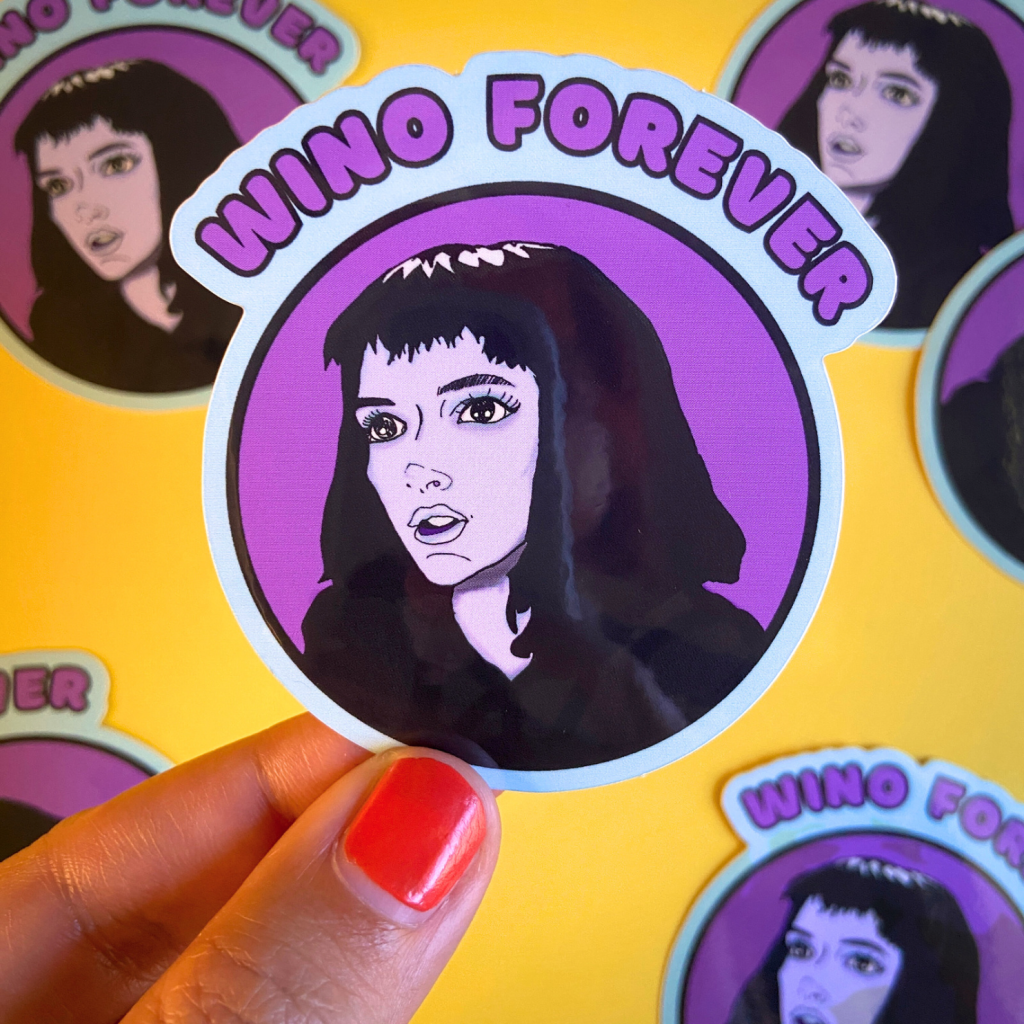
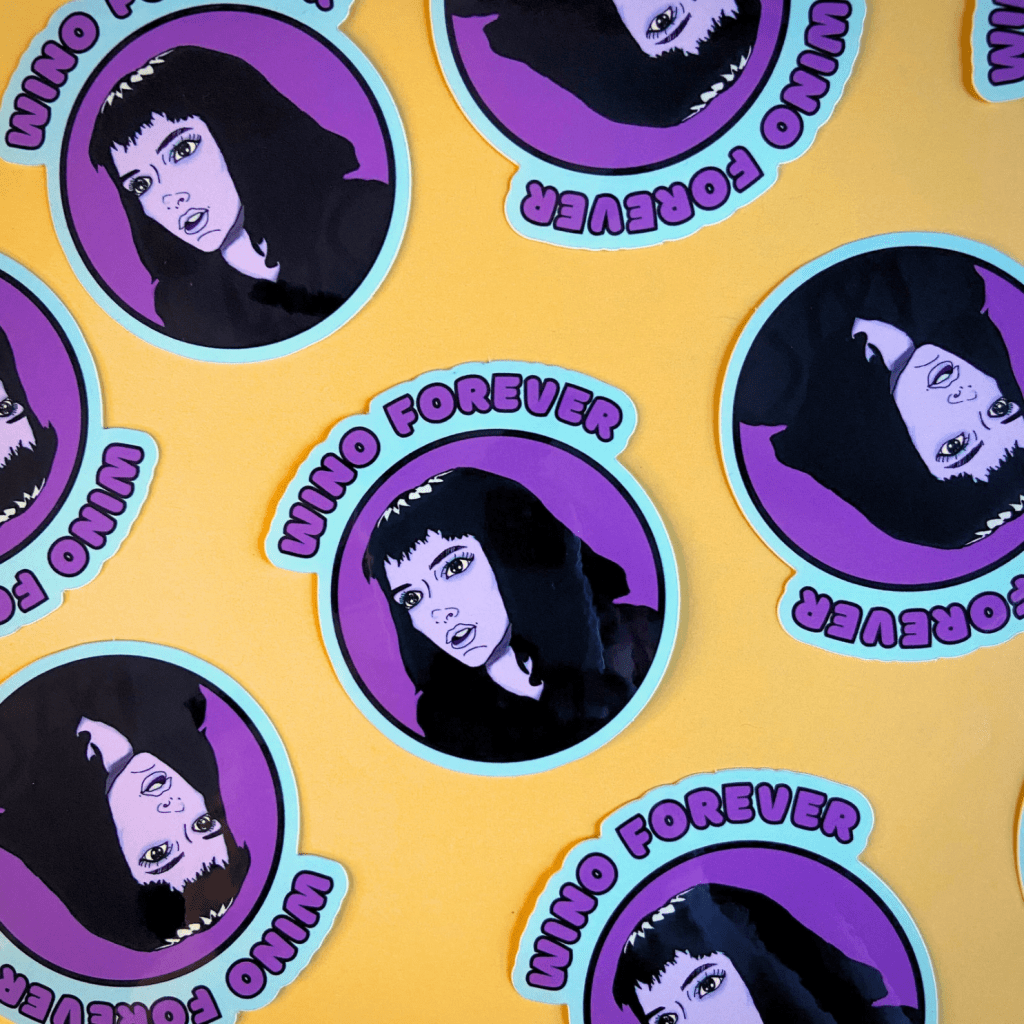

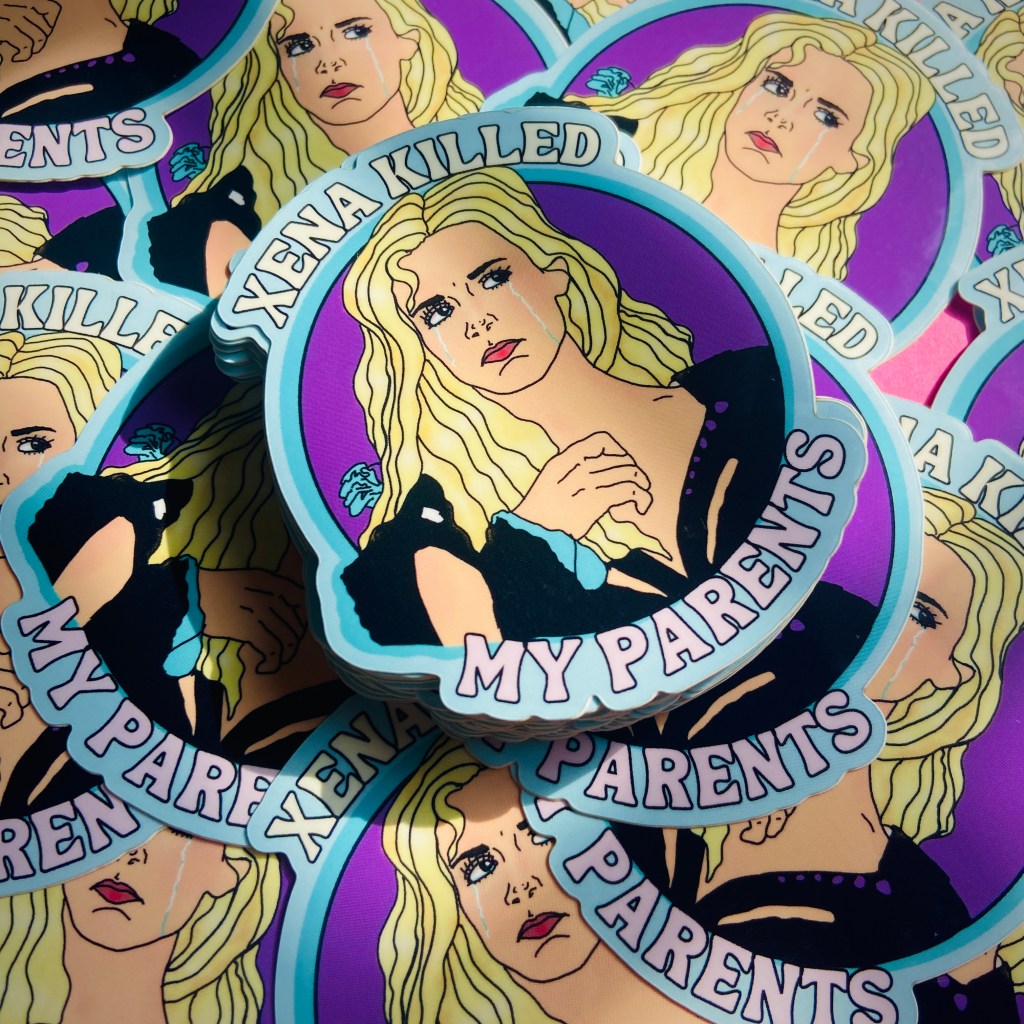
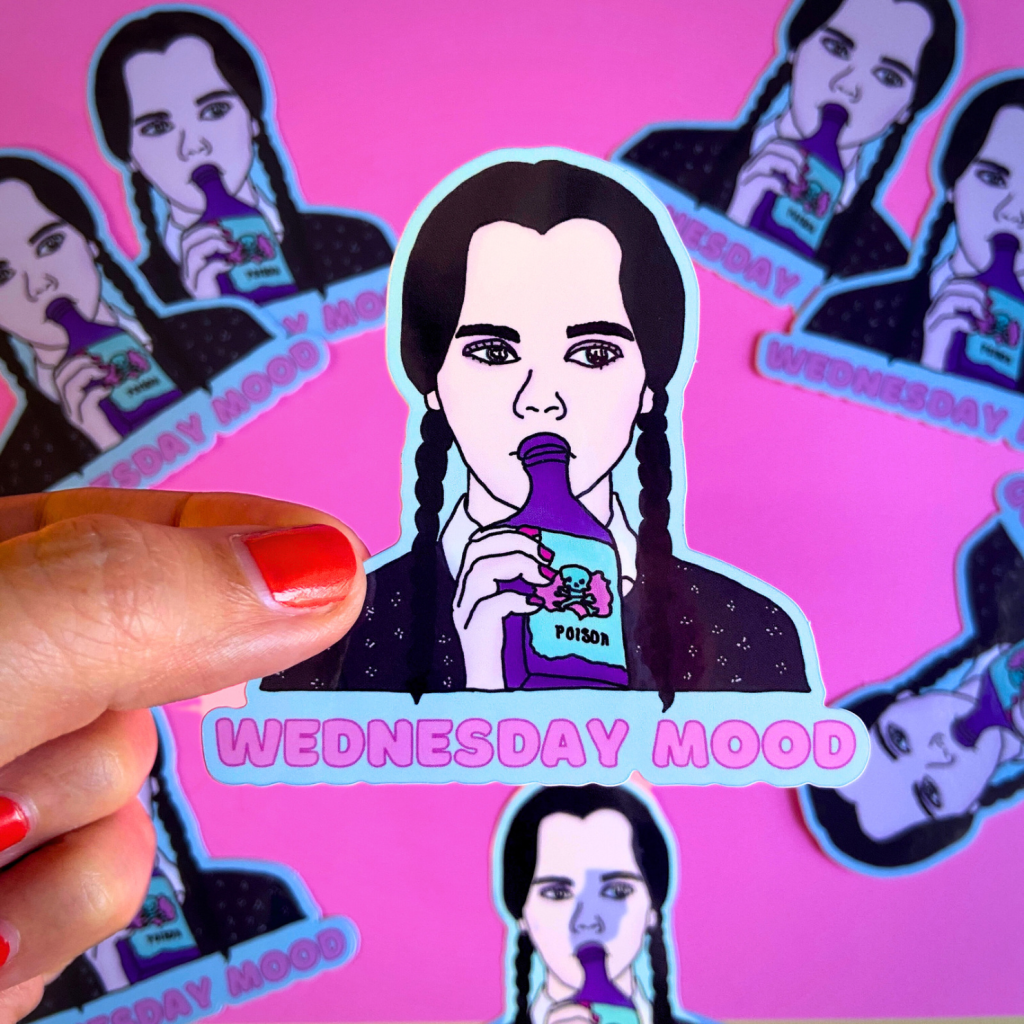
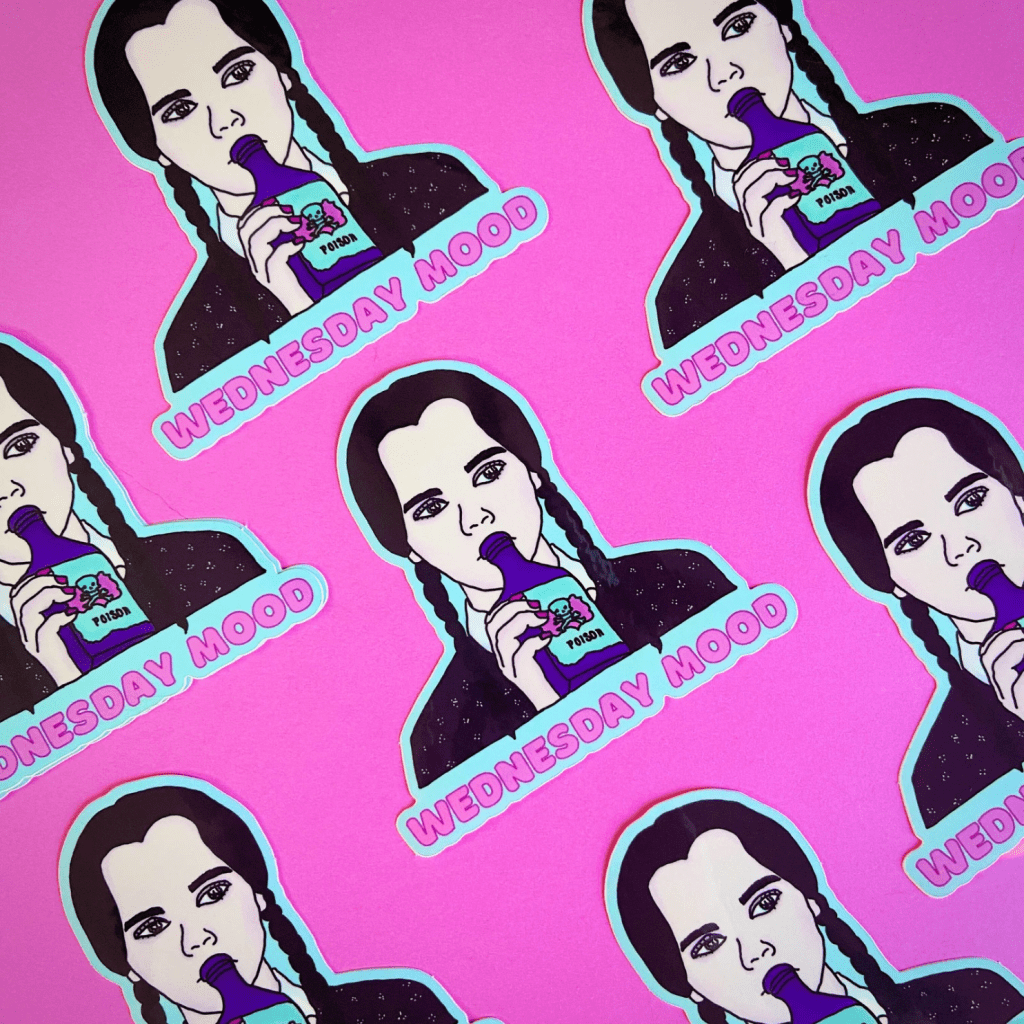
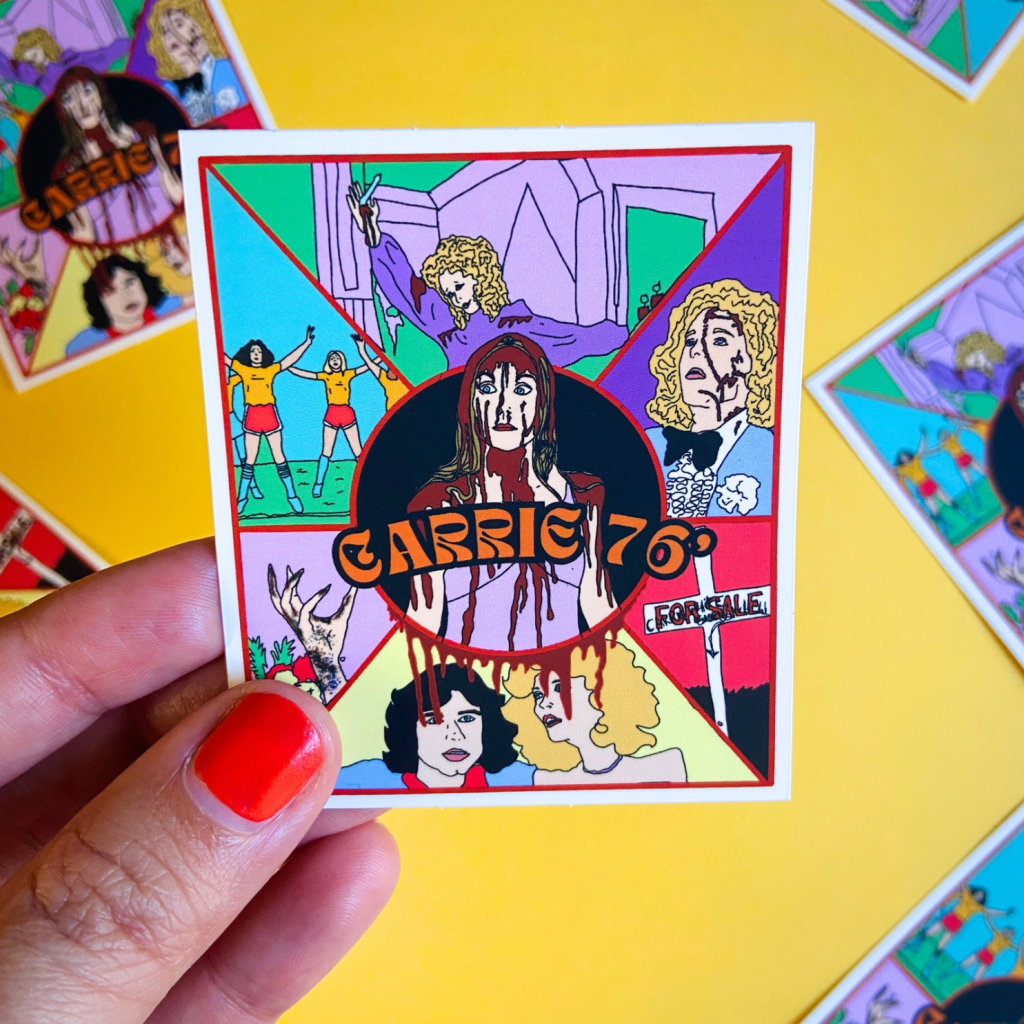
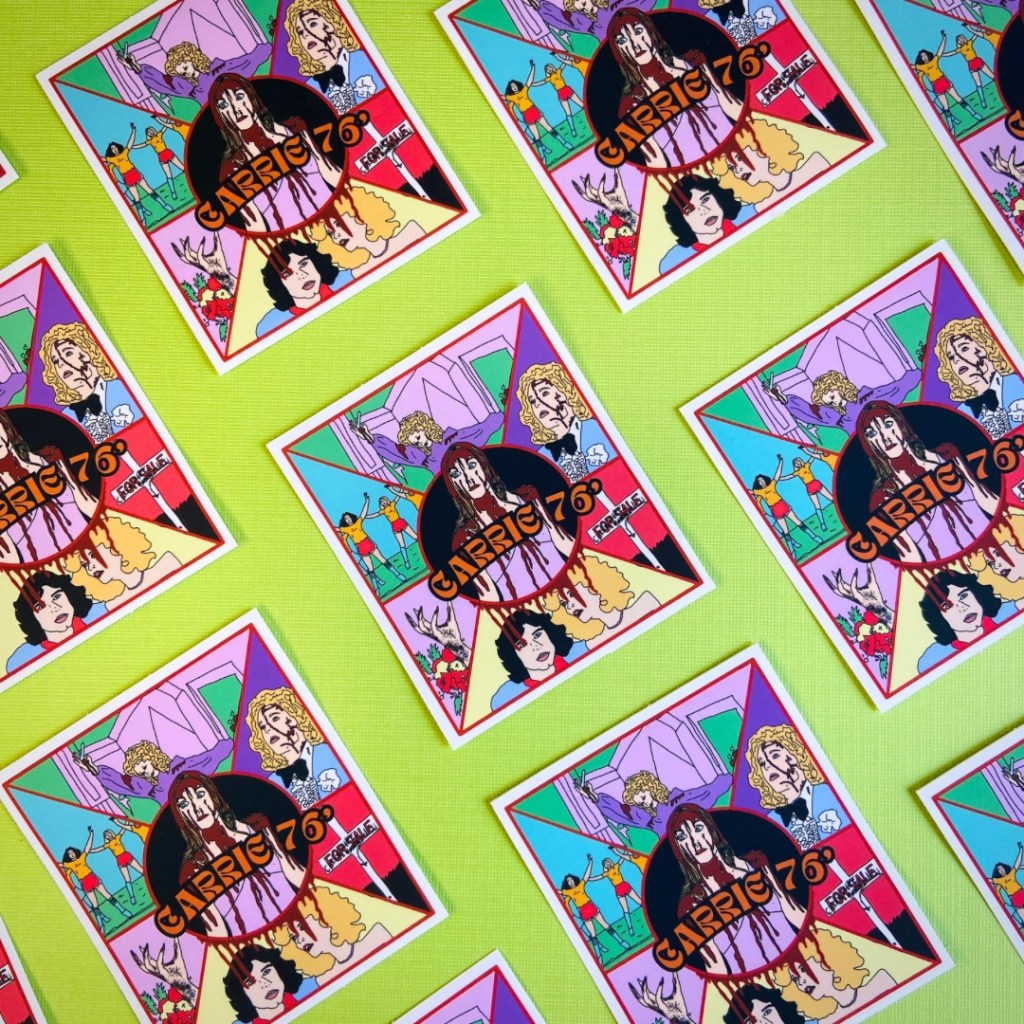

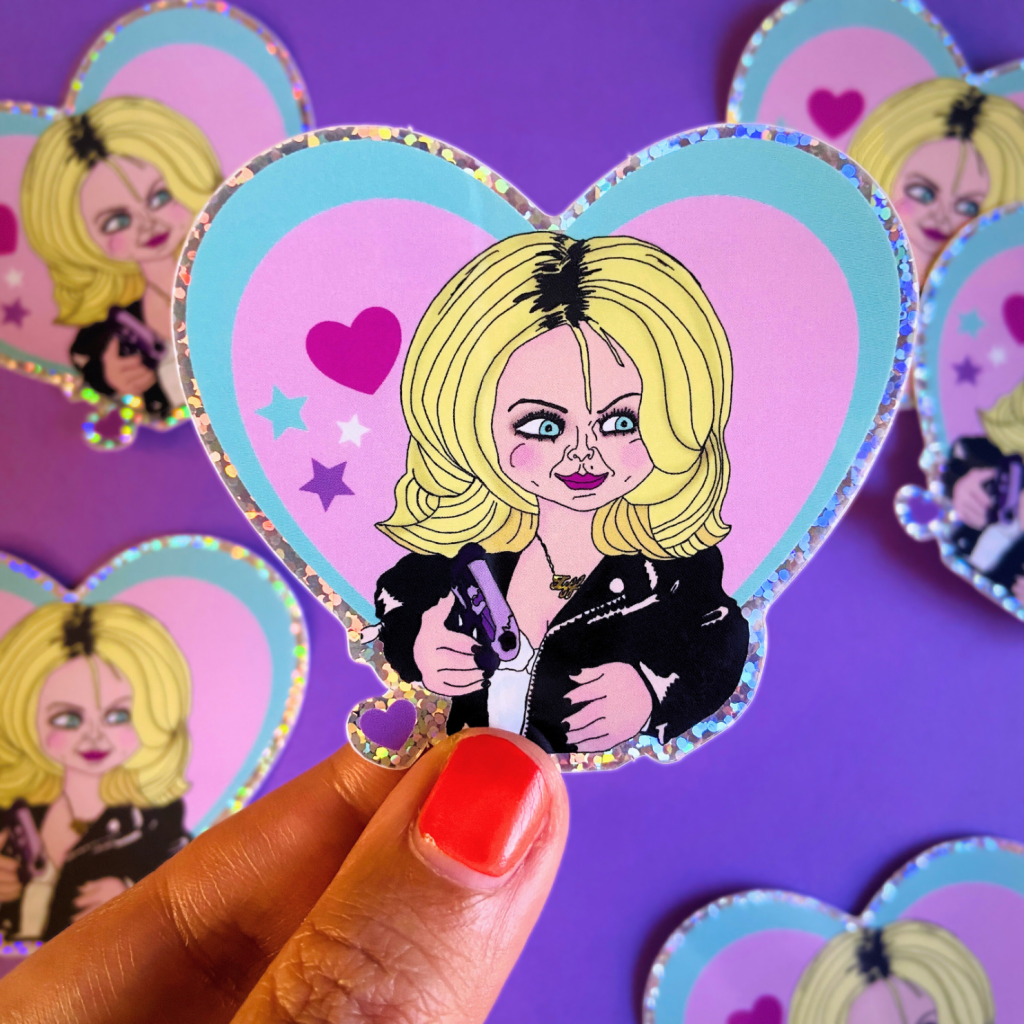
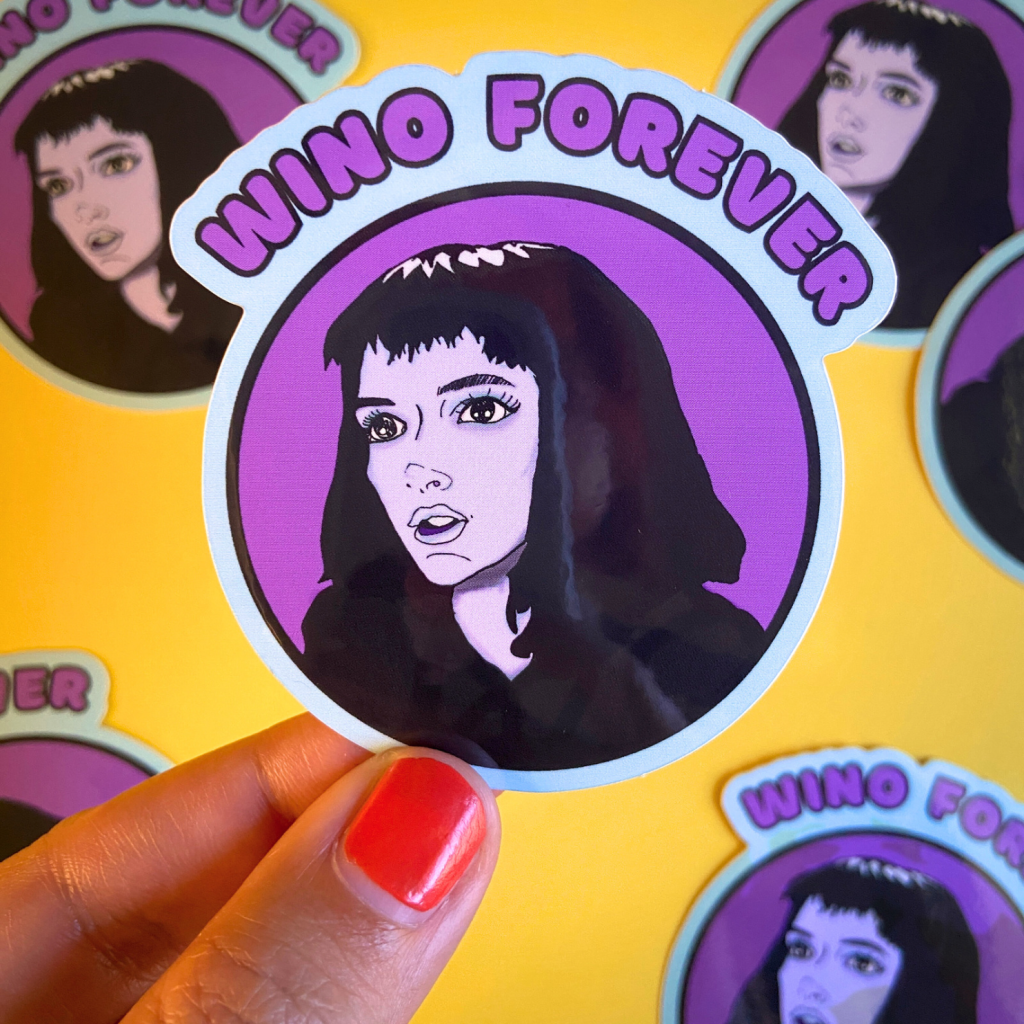


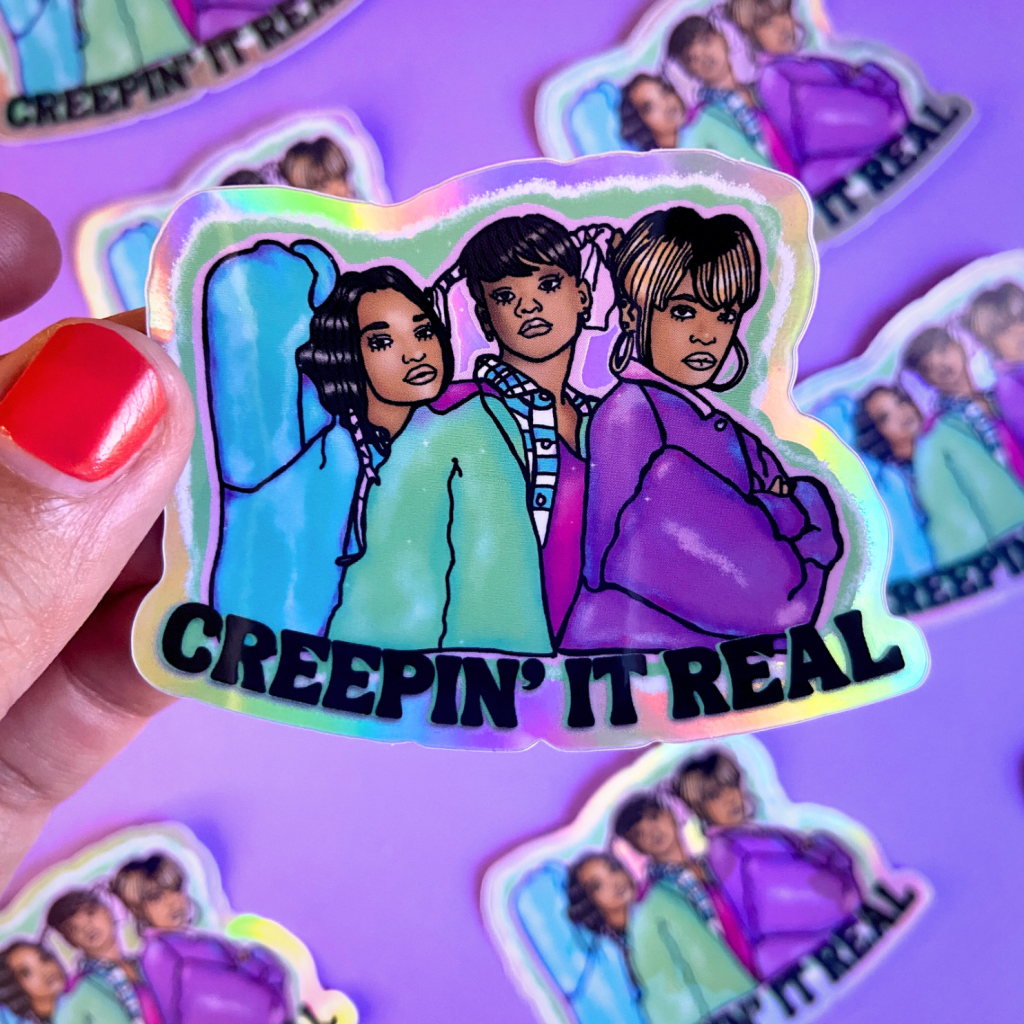

For most, challenges like a nonexistent budget, a lack of space, and primitive digital tools can make brand strategy feel like a Sisyphean task, but I know from experience that limitations breed creativity. No budget? Use your iphone. No sense of color? Do a series of product photos in black and white. Limited space? Only take macro shots.
Every issue has a work-around if you take the time to experiment.
 .
. 